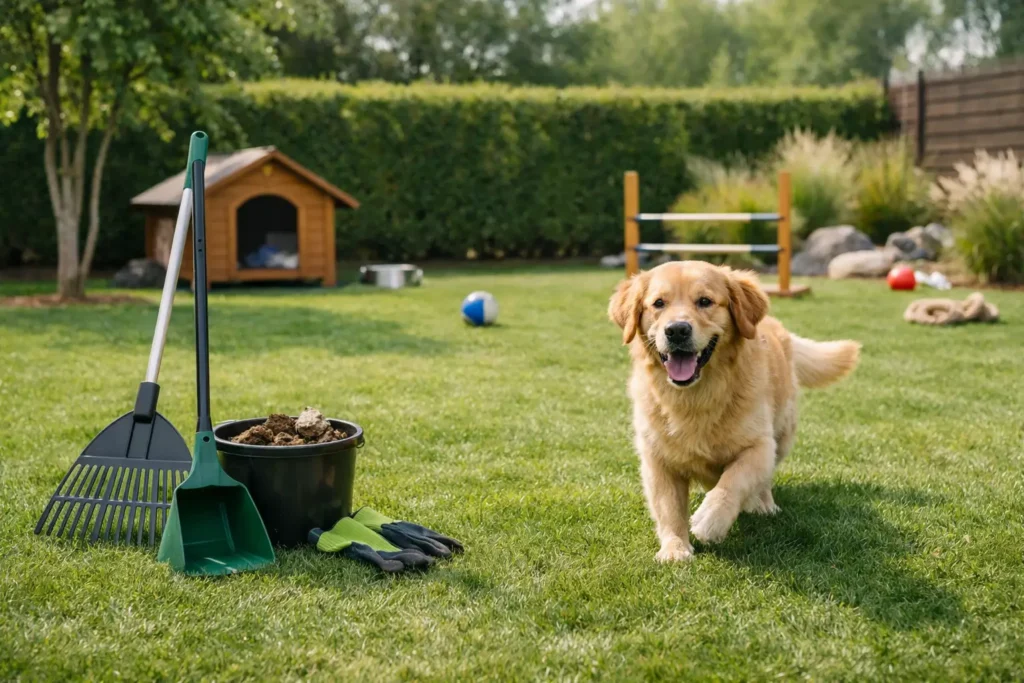
A yard can go from “nice place to let the dog out” to “watch your step” faster than most homeowners expect. If you’re wondering how to maintain clean dog yard conditions without spending every evening on poop patrol, the answer is consistency more than perfection. A few smart habits make the space easier to use, better smelling, and far less frustrating for everyone in the house.
For most dog owners, the hard part is not knowing what to do. It’s keeping up with it week after week. Between work, kids, weather, and everything else on the calendar, waste cleanup is one of those jobs that gets pushed back until the yard feels too far gone. The good news is that a cleaner yard usually comes down to a manageable routine, not a major overhaul.
How to maintain a clean dog yard without constant hassle
The biggest factor is pickup frequency. If waste sits in the yard for days, it doesn’t just look bad. It creates odor, attracts flies, gets tracked into the house, and can make parts of the lawn less usable. In warmer weather, the smell builds quickly. In snow or tall grass, waste gets hidden until it becomes a bigger cleanup job later.
For one dog, scooping at least two to three times a week keeps things under control. For multiple dogs, daily pickup is often the better standard. That might sound like a lot, but regular removal is easier than dealing with a weekend backlog. Small cleanups take minutes. Large neglected cleanups take time, effort, and usually a stronger stomach.
It also helps to pick a simple system and stick to it. Some homeowners prefer a quick walk of the yard every evening. Others tie it to a routine like taking the trash out or letting the dog in for the night. The exact timing matters less than making it predictable.
Set up the yard so cleanup is easier
A clean yard starts with a yard that’s easy to scan. If waste is hard to spot, it gets missed. That is especially common in yards with long grass, uneven ground, heavy landscaping, or areas where dogs tend to circle behind shrubs.
Keep the grass at a reasonable height so waste is visible and easier to remove. If your dog favors one part of the yard, consider making that area a designated potty zone. Gravel, mulch, or a small section of lower-maintenance ground can make pickup simpler than searching the entire lawn. This approach is especially helpful for busy families and homeowners who want less mess spread across the property.
There is a trade-off, though. A potty area concentrates odor if it isn’t maintained, so it needs more regular attention. For some households, that is still easier than managing surprises in every corner of the yard.
If your yard has problem spots, address those too. Muddy patches hold odor and make cleanup messier. Poor drainage can turn a small sanitation issue into a bigger one after rain or snowmelt. In the Black Hills region, seasonal changes matter. Spring thaw can reveal months of missed waste, while winter snow can hide it until conditions improve. A little planning by season saves a lot of cleanup later.
Keep the right tools in one place
You do not need a complicated setup, but you do need one that is easy to grab. A sturdy scooper or rake-and-bin set, waste bags, and a sealed outdoor container can make the task much less unpleasant. If tools are buried in the garage, cleanup is easier to avoid.
Store supplies near the door you use most often. That small change removes a surprising amount of friction. When the process is convenient, it gets done.
Odor control matters as much as appearance
A yard can look fairly clean and still smell bad. That usually means waste removal has been inconsistent, urine has built up in certain areas, or damp conditions are trapping odor near the ground.
The first fix is always the simplest one – remove waste promptly. No deodorizer can replace that. After that, rinsing hard surfaces and keeping lawn areas watered appropriately can help dilute lingering smell. Pet-safe yard deodorizers can also help in high-use zones, especially near patios, fences, or the back door.
Urine spots are a separate issue. They can discolor grass and create strong smells in dry, hot weather. Encouraging your dog to use different areas of the yard may reduce damage. Some homeowners also have better luck with tougher grass varieties or non-grass potty zones. It depends on the size of the dog, the layout of the yard, and how much lawn appearance matters to you.
Sanitation is about more than smell
Dog waste is not just an eyesore. It can carry bacteria and parasites, and it is not a fertilizer for your lawn. Leaving it in place creates a hygiene problem for pets and people, especially where kids play or dogs spend time rolling, digging, or sniffing.
That is why many homeowners think beyond basic scooping and pay attention to sanitizing high-traffic surfaces. If you have a dog run, artificial turf, concrete pad, or patio edge where accidents happen often, occasional disinfecting with pet-safe products can make the space cleaner and more comfortable to use. The key is using products correctly and allowing surfaces to dry before pets return.
Lawn care and dog yard care need to work together
If you want to know how to maintain a clean dog yard long term, treat waste pickup and lawn care as the same job, not two separate ones. Healthy grass, trimmed edges, and good drainage make waste easier to spot and remove. Regular cleanup helps prevent dead patches, worn paths, and odor buildup.
It also helps to walk the yard with fresh eyes every week or two. Look for holes, fence gaps, bare spots, and corners where waste collects unnoticed. Dogs are creatures of habit. Once they choose favorite areas, those spots need extra attention.
When mowing, check for missed waste before you start. Hitting dog poop with a mower is one of the fastest ways to turn a manageable chore into a much worse problem. The same goes for leaf cleanup. In the fall, waste can disappear under leaves and get left behind longer than intended.
When a DIY routine stops being realistic
A lot of homeowners start with the best intentions and still fall behind. That does not mean they are careless. It usually means life is full. Busy schedules, mobility issues, travel, bad weather, and multiple dogs can make regular cleanup hard to maintain.
That is where professional pet waste removal makes practical sense. Instead of trying to catch up when the yard gets out of hand, you have a routine that stays ahead of the mess. For families, that means kids can use the yard more freely. For older adults or anyone with physical limitations, it removes a task that can be uncomfortable or unsafe. For everyone, it saves time and reduces one of the least enjoyable parts of dog ownership.
A reliable service should do more than scoop. Clear communication, consistent visits, respectful handling of gates and property, and safe sanitation practices all matter. Those details are what turn a basic cleanup into real peace of mind. That is why many local homeowners choose recurring service with Black Hills Scoop Squad instead of waiting until the yard becomes a problem.
A clean dog yard is really about consistency
There is no perfect yard, especially if you have active dogs, changing weather, and a busy household. But a clean dog yard does not require hours of effort every week either. It requires regular pickup, a setup that makes the task easier, attention to odor and sanitation, and an honest look at whether you want to keep doing it yourself.
If your current system works, keep it simple and stick with it. If it keeps falling apart, that is useful information too. The best routine is the one that actually happens, because a yard that gets used every day should feel clean, safe, and ready for real life.