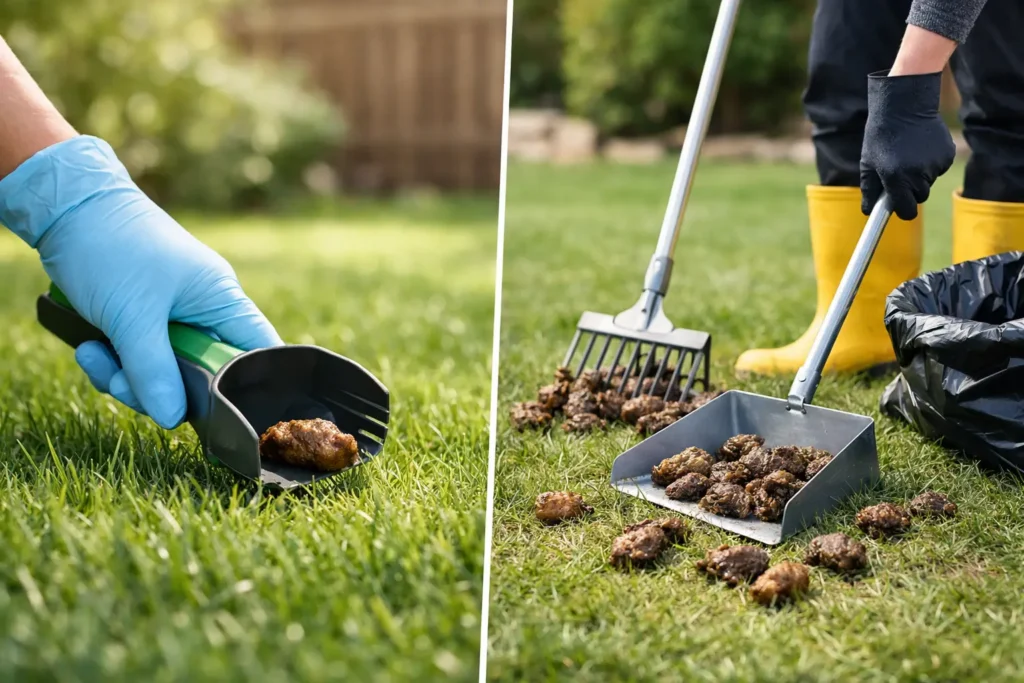
A clean yard feels different the second you step into it. Kids can run, dogs can roam, and you do not have to scan the grass before every step. That is why weekly vs monthly poop pickup is not really a small scheduling choice. It changes how your yard looks, smells, and functions between visits.
For some households, monthly service is enough to take the edge off a chore they hate. For others, waiting that long turns the yard into a problem they keep noticing but never quite have time to fix. The right schedule depends on how many dogs you have, how often the yard gets used, and how much buildup you are willing to live with between cleanings.
Weekly vs monthly poop pickup: what really changes
The biggest difference is simple – accumulation. With weekly service, waste gets removed before it has much time to pile up, break down, smell, or get tracked around the yard. With monthly service, there is a much longer gap, which means more waste stays on the ground longer and more can happen before the next cleanup.
That affects more than appearance. Dog waste does not just sit there politely until pickup day. Rain can spread it, sun can bake in odor, and foot traffic can turn a contained mess into a much bigger one. If your dog uses the same few areas over and over, those spots can get unpleasant fast.
Weekly service usually feels more like maintenance. Monthly service often feels more like a reset.
When weekly poop pickup makes the most sense
Weekly service is usually the better fit for busy households that want the yard to stay consistently usable. If you have multiple dogs, active kids, frequent guests, or a dog that spends a lot of time outside, one week is enough time for waste to build up noticeably. In those homes, weekly pickup prevents the yard from reaching the point where you start avoiding parts of it.
It is also a strong choice for people who care about sanitation and odor control. The shorter the waste sits, the less chance there is for smell to develop, flies to show up, or muddy paws to carry something back inside. That matters even more during warmer months or wet stretches, when yards tend to hold onto odor and mess.
There is also a convenience factor that people sometimes underestimate. When service happens weekly, you are not mentally tracking the yard condition or debating whether you need to handle it yourself before the next visit. The chore stays off your plate. That peace of mind is a real part of the value.
For older adults, people with mobility limitations, and anyone recovering from injury or dealing with a packed schedule, weekly service can be the difference between staying on top of the yard and falling behind. It keeps the property in a condition that feels manageable all the time, not just right after cleanup.
Weekly service is often best for:
Households with two or more dogs, families who use the yard often, homeowners who want better odor control, and anyone who simply does not want waste sitting out for long.
When monthly poop pickup can work
Monthly service has a place, especially for households with one dog and lighter yard use. If your dog spends limited time outside, uses a smaller portion of the yard, or if you are mainly looking for help with occasional buildup rather than year-round perfection, monthly pickup may be enough.
It can also be a practical option for homeowners who want professional help at a lower frequency but still need some relief from the task. Maybe you are capable of doing spot cleanup between visits but do not want to handle the larger reset yourself. In that case, monthly service can reduce the burden without committing to a more frequent schedule.
Still, monthly service works best when expectations are realistic. It does not keep the yard consistently clear. It helps prevent the problem from getting completely out of hand. If you are hoping for a yard that stays clean enough for daily play, frequent backyard time, or barefoot use, monthly may feel too far apart.
That is especially true if your dog is very regular, your yard is small, or your family notices mess quickly. One dog in one month can create more waste than many people expect.
Cost vs cleanliness
A lot of people start with the price question, which is fair. Monthly service usually costs less upfront because there are fewer visits. But weekly service often gives better day-to-day value because the yard stays in better condition the whole time.
This is where weekly vs monthly poop pickup becomes less about the cheapest option and more about the outcome you want. If monthly service saves money but leaves you frustrated by odor, visible waste, or the need to spot clean on your own, it may not feel like much of a savings. If weekly service removes that stress and keeps the yard ready to use, many homeowners see it as worth it.
The right way to think about it is not just price per visit. It is whether the schedule actually solves the problem you hired the service to solve.
Yard size, dog count, and climate matter
A larger yard can hide buildup a little longer, but it does not eliminate it. A smaller yard usually reaches the tipping point faster because the waste is concentrated in fewer places. Dog count matters even more. Two dogs do not create a little more work than one. They can change the entire pace at which the yard gets messy.
Weather in the Black Hills can also shift what schedule makes sense. Snow cover, spring thaw, rainy weeks, and hot summer stretches all affect how noticeable waste becomes. A yard that seems manageable in one season may feel much worse in another. That is one reason flexible, no-contract service matters. You may want a different cadence at different times of year.
A household with one older dog in winter may be fine with less frequent service for a while. The same household might want weekly visits in spring when the ground softens and everything becomes harder to ignore.
The middle ground some homeowners prefer
Not every choice has to be strictly weekly or monthly in practice. Some homeowners find that twice-monthly service is the sweet spot. It reduces accumulation more than monthly service while keeping cost lower than weekly visits.
That middle option can work well for one-dog homes, moderate yard use, or customers who want more control over buildup without paying for the highest frequency. It is not ideal for every property, but it is often the right answer for people who know monthly is too sparse and weekly feels like more than they need.
If you are unsure, this is usually the most honest test: how does your yard look and feel after two weeks? If two weeks already feels too long, monthly service almost certainly will too.
What a professional schedule should give you
Whatever frequency you choose, the service should feel easy. You should know when the technician is coming, trust that gates are secure, and feel confident the work is being done carefully around your pets and property. Professional pet waste removal is not just about scooping. It is about consistency, communication, and hygiene.
That is where the service experience matters as much as the schedule. If you are trusting someone to enter your yard regularly, you want clear notifications, safe handling practices, and a team that respects your home. Black Hills Scoop Squad is built around that kind of dependable service, with recurring options that let homeowners pick the level of help that actually fits their routine.
How to choose without overthinking it
If your main goal is a yard that stays clean, weekly service is usually the better answer. If your goal is occasional relief and you can tolerate buildup between visits, monthly may be enough. And if you are somewhere in the middle, twice-monthly service may fit better than either extreme.
A good rule is to choose based on how you want your yard to feel most days, not just on pickup day. If you want it ready for everyday life, go with a schedule that keeps it that way.
The best service plan is the one that makes your yard easier to enjoy and one less thing to think about.