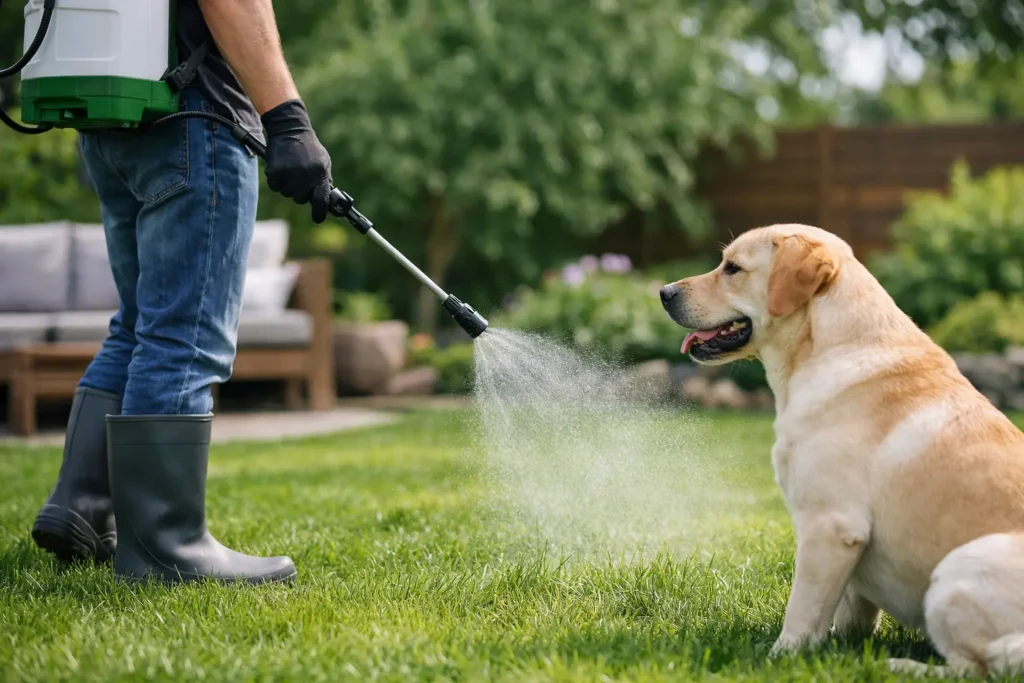
A yard can look clean and still have the stuff dog owners worry about most – lingering waste residue, odor, and bacteria left behind in the grass, gravel, or kennel area. That is why pet safe yard disinfecting matters. It is not about making your yard smell like chemicals. It is about reducing contamination in the places your dog actually uses while keeping the area safe for paws, noses, and families.
For many homeowners, the problem starts when regular poop pickup falls behind. A few missed cleanups can turn into odor, muddy spots, flies, and a yard nobody wants to use. Even after the waste is gone, residue can remain on surfaces where dogs walk, sniff, and play. A smart disinfecting plan helps close that gap.
What pet safe yard disinfecting really means
Pet safe yard disinfecting means using cleaning and disinfecting methods that are effective on pet areas without creating unnecessary risk for dogs, people, or landscaping. That usually starts with one simple rule: disinfecting is not a replacement for waste removal. If solid waste is still sitting in the yard, no spray product will solve the real problem.
The safest approach is layered. First remove the waste. Then clean any heavily affected area. Then apply an appropriate pet-safe disinfectant where it makes sense, such as dog runs, artificial turf, concrete pads, kennel surfaces, or concentrated bathroom areas. In a large natural lawn, disinfecting every square foot is usually not practical or necessary.
That distinction matters. Grass, soil, and outdoor weather already create a different environment than indoor floors or veterinary spaces. The goal is not sterility. The goal is a cleaner, lower-risk yard that is more pleasant to use.
Where yard disinfecting helps most
Some areas benefit much more from disinfecting than others. High-traffic dog zones tend to hold odor and contamination because they get repeated use. If your dog uses the same corner every day, that spot will need more attention than the rest of the lawn.
Concrete, pavers, decking near dog doors, side-yard runs, and kennel pads are common trouble spots because waste residue can sit on the surface instead of breaking down into the soil. Artificial turf can also trap urine odor and organic material if it is not cleaned properly. Gravel has its own challenge because waste can break apart and settle between the rocks.
On the other hand, a healthy lawn with prompt waste removal may need spot treatment more than full disinfecting. It depends on how many dogs use the yard, how often cleanup happens, and whether odor or visible buildup is becoming a problem.
Why waste removal comes first
This is the part many homeowners miss. Disinfectant works best on a surface that is already free of solid material. Dog waste contains organic matter that can block a disinfectant from doing its job. If poop is still present, spraying over it is mostly wasted effort.
That is one reason recurring cleanup service makes such a difference. When waste is removed consistently, the yard stays ahead of the mess instead of catching up after it gets bad. Disinfecting then becomes a useful add-on for sanitation and odor control, not a last-ditch fix.
In practical terms, a cleaner yard is also easier on your dog. There is less chance of your pet stepping in waste, tracking it inside, or revisiting dirty areas that should have been cleaned days ago.
Choosing products for pet safe yard disinfecting
Not every outdoor cleaner is suitable for dog areas. Some products are too harsh, leave irritating residue, or are safe only after a long dry time. Others are marketed as natural but do very little when sanitation is the actual goal.
A better standard is to look for products specifically labeled for pet environments and to follow the label exactly. That includes dilution, contact time, drying time, and whether pets should stay off the area until it is fully dry. More product is not better. Stronger concentration can increase irritation risk without improving results.
Bleach is the product many people think of first, but it is often not the best choice for routine yard use. It can damage grass, discolor surfaces, and create fumes that are unpleasant for both pets and people. It also needs careful handling and correct dilution. For most residential dog areas, a kennel-grade disinfectant designed for animal settings is the better fit.
The trade-off is simple. You want something strong enough to help with sanitation but not so aggressive that your yard becomes unpleasant or unsafe to use. That balance is what pet-safe disinfecting is all about.
How to disinfect a yard without overdoing it
The right process depends on the surface. Natural grass should usually be treated with a lighter touch. Start by removing all visible waste. Rinse affected spots if needed. If there is a recurring bathroom area with odor or residue, use a pet-safe product intended for outdoor use and let the area dry fully before letting pets back out.
Hard surfaces are more straightforward. Remove waste, wash away residue, apply the disinfectant according to directions, allow proper contact time, and let it dry. If the area is heavily soiled, one pass may not be enough. Cleaning first and disinfecting second gets better results than trying to do both at once.
Artificial turf and kennel runs need extra attention because contaminants can sit deeper in the surface. These areas often benefit from routine rinsing and periodic disinfecting instead of waiting until odor becomes obvious. If your dog run smells even right after waste pickup, buildup is probably still present below the surface.
Common mistakes homeowners make
One common mistake is treating odor as the only issue. A deodorizer may make the yard smell better for a while, but it does not necessarily clean or disinfect the area. Another mistake is using household cleaners that were never meant for outdoor pet spaces. Products that are fine for a bathroom floor may not be safe on grass or around dogs that lick their paws.
Timing matters too. Disinfecting right before your dog goes back outside defeats the purpose. Even pet-safe products usually require dry time. The label matters more than guesswork.
The biggest mistake, though, is inconsistency. A one-time cleanup and spray treatment can help, but if waste keeps building up week after week, the yard will slide backward fast. Regular maintenance is what keeps sanitation manageable.
Pet safe yard disinfecting and seasonal changes
In the Black Hills region, weather changes how yards behave. Spring thaw can reveal months of missed waste and create saturated areas where odor lingers. Summer heat can intensify smells and make heavily used dog spots much more noticeable. In winter, snow cover can hide waste until melt season turns the yard into a bigger cleanup job.
That means your disinfecting needs may shift through the year. During muddy months, hard surfaces near entrances and dog runs may need more frequent attention. In hot weather, odor control becomes more of a priority. After winter, a full reset with thorough waste removal and targeted disinfecting often makes the biggest difference.
When professional help makes sense
Some homeowners are happy to handle this themselves. Others would rather not spend their weekend scooping, rinsing, spraying, and second-guessing which products are safe. If the yard is large, multiple dogs use it, or cleanup has been delayed for a while, professional service can save time and get better results.
This is especially true for busy families, older adults, and homeowners with mobility limitations. The value is not just getting the waste gone. It is having a dependable system that keeps the yard cleaner on an ongoing basis, with sanitation practices that support a safer pet environment.
For example, Black Hills Scoop Squad focuses on the basics that matter most: consistent waste removal, professional service routines, and disinfecting protocols built around pet safety and hygiene. That kind of support helps homeowners stay ahead of the mess instead of reacting once the yard already smells or feels unusable.
A cleaner yard is easier to enjoy
Most dog owners are not trying to create a perfect yard. They just want a space that feels clean enough for the dog to play, for the kids to be outside, and for guests to stop by without embarrassment. Pet safe yard disinfecting supports that goal when it is paired with regular poop removal and realistic expectations about what your yard actually needs.
If you start with prompt waste pickup, use the right products in the right places, and stay consistent, your yard becomes much easier to manage. And when the chore itself is the part you want off your plate, getting help is often the simplest step toward a cleaner, safer outdoor space.