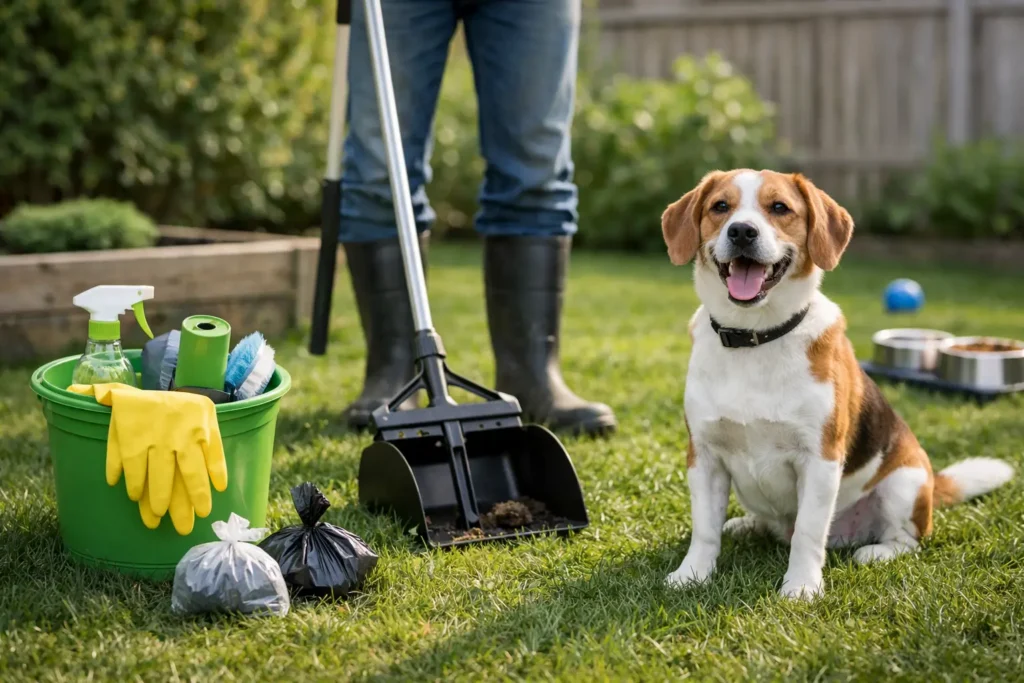
A clean yard is more than a nice view from the kitchen window. It is where your dog plays, where kids may run barefoot, and where guests step before they ever reach your front door. This yard sanitation checklist for dogs gives Black Hills homeowners a practical routine for keeping outdoor spaces cleaner, safer, and easier to enjoy without letting one unpleasant chore take over the weekend.
Dog waste does not disappear because it is out of sight. Rain can spread it, snow can hide it, and warm weather can make odors and flies more noticeable fast. A consistent plan is easier than waiting until the yard feels overwhelming.
Start With the Weekly Yard Sanitation Checklist for Dogs
For most households, weekly cleanup is the baseline that keeps the job manageable. Homes with multiple dogs, small yards, young puppies, or dogs with frequent digestive issues may need cleanup two or three times each week. The right schedule depends on your dogs, your yard size, and how often the space is used.
Walk the entire property rather than checking only the obvious spots. Dogs often use a few favorite areas, but waste can collect along fence lines, behind sheds, near decks, and in corners that are easy to miss. Bring a dedicated scoop tool, disposable bags, and a covered container or plan to double-bag waste before placing it in your household trash.
Your weekly routine should cover these essentials:
- Pick up all visible pet waste, including waste in side yards and along paths.
- Check gates, fence lines, and landscaping beds where piles can be hidden.
- Dispose of waste in securely tied bags in your trash receptacle.
- Rinse or clean the scoop and bucket after use, then wash your hands thoroughly.
- Look for standing water, damaged fencing, sharp debris, or areas that have become excessively muddy.
The goal is not to make the yard sterile. Dogs need an outdoor space where they can sniff, play, and relax. The goal is to remove waste promptly, reduce odor and contamination concerns, and notice small property issues before they become bigger problems.
Pay Extra Attention to High-Use Areas
The places your dog uses most need the most attention. A designated potty area can make cleanup easier, especially in winter when snow cover makes daily tracking difficult. It can also protect the parts of the yard where children play or where you spend time entertaining.
Check grass near doors, patios, dog runs, kennel areas, and the route your dog takes when let outside. Waste left in these zones is more likely to get stepped in and carried indoors on shoes or paws. If one section of grass has persistent odor or discoloration, give that area time to recover by encouraging your dog to use another part of the yard when possible.
Hard surfaces deserve a separate check. Patios, decks, walkways, and artificial turf can hold residue even after solid waste is removed. Pick up waste first, then use water and a pet-safe outdoor cleaner according to the product directions. Avoid using harsh chemicals where your dog may lick, lie down, or walk immediately afterward. More cleaner is not always better, particularly around pets, grass, and landscaping.
Keep Water, Mud, and Odor From Taking Over
South Dakota weather adds its own challenges. Spring snowmelt and summer storms can move waste residue toward low spots, drains, and play areas. During wet stretches, inspect the yard after heavy rain and remove any newly exposed waste as soon as conditions allow.
Standing water is worth addressing even when it has nothing to do with pet waste. It creates a muddy mess for paws and can make a small sanitation problem harder to manage. Clear blocked drainage paths, fill low spots when practical, and keep outdoor water bowls fresh. Empty and refill dog water daily, and scrub the bowl regularly to prevent slime and buildup.
Odor often means waste has been missed, grass is holding moisture, or a dog run needs a more thorough cleaning. Start by picking up every pile, then inspect the area closely. Deodorizing products can help, but they work best after the source of the odor is removed. Choose products labeled for pet areas, follow dilution instructions carefully, and allow treated surfaces to dry as directed.
Sanitize Tools Without Creating a New Problem
Your scoop, rake, bucket, gloves, and shoes can carry residue from one part of the yard to another. Keep these items separate from gardening tools and store them where children and pets cannot access them.
After each cleanup, remove visible debris from your tools before washing them. Then use a suitable disinfecting product according to its label instructions. Disinfectants need the correct contact time to work, and many require rinsing or drying before pets can safely return to the treated area. Never mix cleaning products, and do not assume an indoor cleaner is appropriate for outdoor pet spaces.
If you use a dedicated waste container between trash days, keep it covered and lined. Clean it regularly so the container itself does not become an odor source. A simple routine protects your hands, keeps equipment ready for the next visit, and makes the task less unpleasant over time.
Adjust Your Routine for Every Season
A reliable yard sanitation plan changes with the weather. In winter, waste may be buried under snow, so it helps to clean before a major storm and return to the yard during thaws. Marking a regular potty zone can save a lot of searching once the snow starts piling up.
Spring is the season for a detailed reset. As snow melts, walk the yard slowly, clear every missed pile, and inspect fences and gates for winter damage. This is also a good time to clean patios, dog runs, and the outside of waste containers.
Summer calls for more frequent checks. Heat can intensify odors, and flies are more likely to gather around waste that sits too long. If your family uses the yard often, twice-weekly pickup may be more comfortable than a single large cleanup.
In fall, remove waste before leaves build up. Leaf cover can hide piles until they become a soggy surprise underfoot. Keep your cleanup route clear and make one final thorough pass before winter conditions return.
Know When Weekly Cleanup Is Not Enough
Weekly service is a great fit for many one- and two-dog homes, but there are situations where a more frequent schedule makes sense. A small city lot with three dogs can accumulate waste much faster than a large rural property with one dog. The same is true for homes with children who play outside daily, older adults who need clear walking areas, or pets that use a confined kennel run.
You may also want extra help after a long winter, a family gathering, a move, an illness, or any period when yard chores fell behind. A one-time cleanup can reset the space, while recurring service prevents the problem from returning. There is no prize for handling a difficult, repetitive chore alone when the result affects how your whole household uses the yard.
Make the Routine Easier to Maintain
The best checklist is the one you can actually keep. Put cleanup on the same day each week, keep supplies in one convenient place, and do a quick visual scan whenever you let your dog out. A five-minute check can prevent a much larger job later.
For homeowners who are short on time, have mobility limitations, or simply do not want pet waste to occupy their Saturday morning, professional service can remove the burden. Black Hills Scoop Squad provides recurring and one-time dog waste cleanup with careful disposal, service notifications, and a closed-gate photo so you know the work was completed.
A cleaner yard gives your dog more room to be a dog and gives you one less unpleasant task waiting outside the door. Choose a schedule that fits your household, stay consistent through the changing Black Hills seasons, and let your outdoor space feel like part of home again.