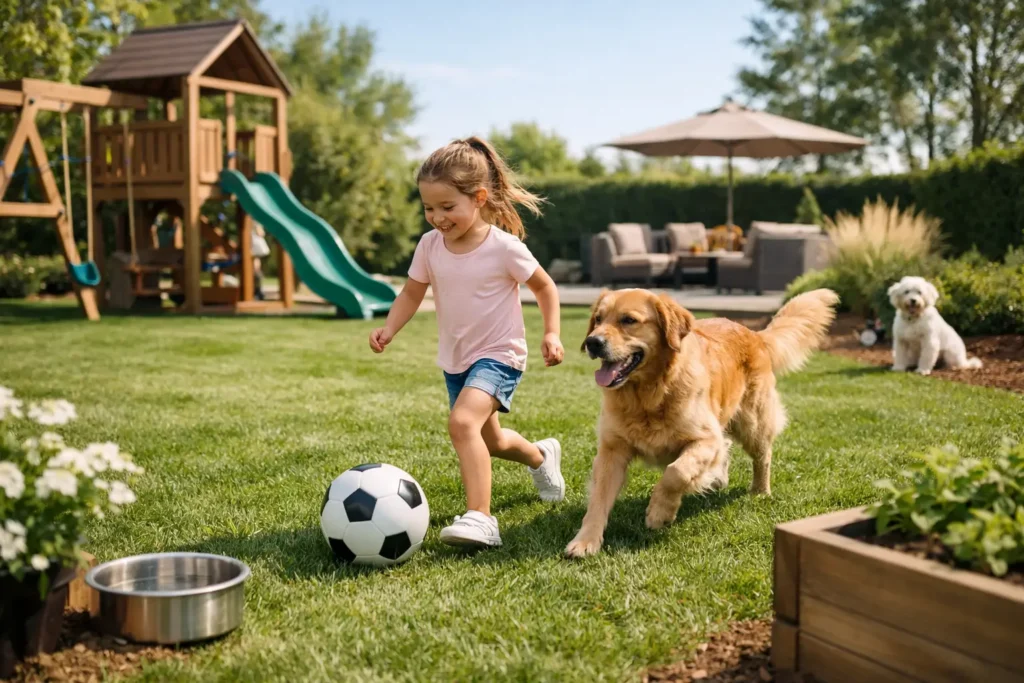
The problem usually shows up right before it matters most. The kids want to run through the grass barefoot, the dog is already doing zoomies, and suddenly you’re scanning the yard like it’s a minefield. A sanitary yard for kids and dogs is not about having a picture-perfect lawn. It’s about being able to use your yard without second-guessing every step.
For families in the Black Hills, that matters more than people sometimes realize. Snowmelt, spring mud, summer heat, and busy schedules can all make pet waste pile up fast. When that happens, the yard stops feeling like an extension of your home and starts feeling like one more thing you have to manage.
Why a sanitary yard for kids and dogs matters
Dog waste is not the same as leaving grass clippings on the lawn. It carries bacteria, parasites, and strong odors, and it does not just disappear because the weather changes. If it sits too long, it gets tracked into the house on paws, shoes, toys, and anything else that touches the ground.
That is especially frustrating for households with young kids. Children are more likely to sit in the grass, touch the ground, and forget to wash their hands after playing outside. Even when everyone is careful, a dirty yard increases the chances of unwanted contact.
There is also the comfort factor. A clean yard changes how often your family actually uses it. You are more likely to let the kids play, throw a ball for the dog, or host friends when you are not embarrassed by odor or worried about hidden messes.
What makes a yard truly sanitary
A sanitary yard is not just a yard where the obvious piles are gone. It is a yard that is maintained often enough to prevent buildup, cross-contamination, and lingering smell.
The first part is consistent waste removal. Weekly service is often the sweet spot for homes with one or more dogs because it keeps waste from accumulating to the point where it affects the whole yard. Twice-monthly service can work for lighter-use yards or single-dog households, but it depends on the size of the yard, the number of dogs, and how often your family uses the space.
The second part is proper handling. Picking up waste is one thing. Doing it with clean tools, careful disposal, and attention to sanitation is what helps protect pets and people. If service equipment is not disinfected between homes, the cleanup itself can create risk. That is one reason professional protocols matter.
The third part is odor and surface management. Even after waste is removed, problem spots can still smell unpleasant or attract your attention every time you step outside. In some cases, deodorizing or sanitizing treatment makes a noticeable difference, especially in small yards, dog runs, and areas near patios.
The biggest mistakes homeowners make
Most yard sanitation issues do not come from neglect. They come from good people trying to squeeze one more chore into a full week.
One common mistake is waiting too long between cleanups. A yard may not look that bad from the deck or back door, but once waste builds up over a couple of weeks, the cleanup gets harder and the sanitary issues grow with it.
Another mistake is assuming rain, snow, or sun will handle it naturally. They will not. Weather can spread waste, soften it into the soil, or make odor worse. It can also make cleanup more unpleasant, which leads to more delays.
Families also tend to underestimate how quickly dogs re-contaminate a yard. Even if you do a full cleanup on Saturday, daily use starts changing the condition of the lawn right away. That does not mean you need perfection. It does mean routine matters.
How often should a yard be cleaned?
This is where the honest answer is: it depends.
If you have multiple dogs, active kids, or a smaller yard, weekly cleanup is usually the most practical option. It keeps the space usable and prevents the backlog that turns a simple service into a bigger job.
If you have one dog and a larger yard, twice-monthly service may be enough, especially if your dog tends to use the same area. But if your children are outside often, or if you notice odor after just a few days, that schedule may not be frequent enough.
Monthly service works best for very light-use situations or homes where the yard is not used much. For most family households, monthly cleanup can leave too much time for waste to accumulate.
The right schedule is not about doing the most. It is about matching the level of service to how your home actually functions.
What families should look for in a pet waste service
If your goal is a sanitary yard for kids and dogs, the service itself should support sanitation, not just convenience.
Start with reliability. If a company is inconsistent, your yard will be too. Clear scheduling, service notifications, and dependable follow-through matter because they remove the guesswork from an already unpleasant chore.
Next, pay attention to safety protocols. Tools and footwear should be disinfected between properties, especially in homes with dogs that spend time nose-to-ground in the yard. That kind of detail may sound small until you realize how easily germs can move from one stop to the next.
Communication matters too. Before-and-after texts, clear billing, and confirmation that gates are closed all help build trust. For busy families and homeowners with dogs, peace of mind is part of the service.
A good provider should also handle disposal properly. Waste should be bagged securely and placed where the homeowner expects it. No surprises, no mess left behind.
Why DIY cleanup does not always stay manageable
Some homeowners start with the best intentions. They mean to scoop every day or every other day, and for a while, they do. Then work gets busy, the weather turns, someone gets sick, a weekend fills up, and suddenly the yard has become a bigger project again.
That does not mean DIY is wrong. It just means recurring chores have a way of slipping, especially the ones nobody wants to do. Pet waste removal is one of those tasks that feels small until it is not.
For older adults, people with back or knee issues, and households juggling work and kids, the physical side of cleanup can be a real barrier. Even for people who are fully able to do it, handing off the job can free up time and make the yard more consistently usable.
That is the practical value of a recurring service. Instead of waiting until the mess becomes noticeable, the problem gets handled on a schedule.
Sanitation matters in every season
In the Black Hills, yard conditions can shift fast. Spring thaw can expose months of buildup if waste was not kept under control through winter. Summer heat tends to amplify smell. Fall is busy for families, and winter makes many homeowners less likely to stay on top of cleanup.
Each season creates a different version of the same issue: when waste sits too long, the yard becomes less clean, less usable, and less enjoyable.
That is why consistent service often works better than occasional catch-up cleanups. Routine prevents the cycle where the yard gets bad, gets cleaned, and then slowly gets bad again.
A cleaner yard changes how home feels
People often think they are paying for poop pickup. What they are really paying for is a yard they can use without stress.
It is the difference between telling your kids to stay on the patio and letting them play. It is the difference between avoiding the backyard and actually enjoying it with your dog. It is one less chore hanging over the weekend.
For families who want a sanitary yard for kids and dogs, the goal is simple: less mess, fewer worries, and more freedom to use the space you already have. Black Hills Scoop Squad was built around that exact need, with recurring service, clear communication, and pet-safe protocols that help homeowners keep outdoor spaces cleaner without adding another job to their week.
A good yard does not have to be fancy. It just has to feel safe, clean, and ready when your family is.