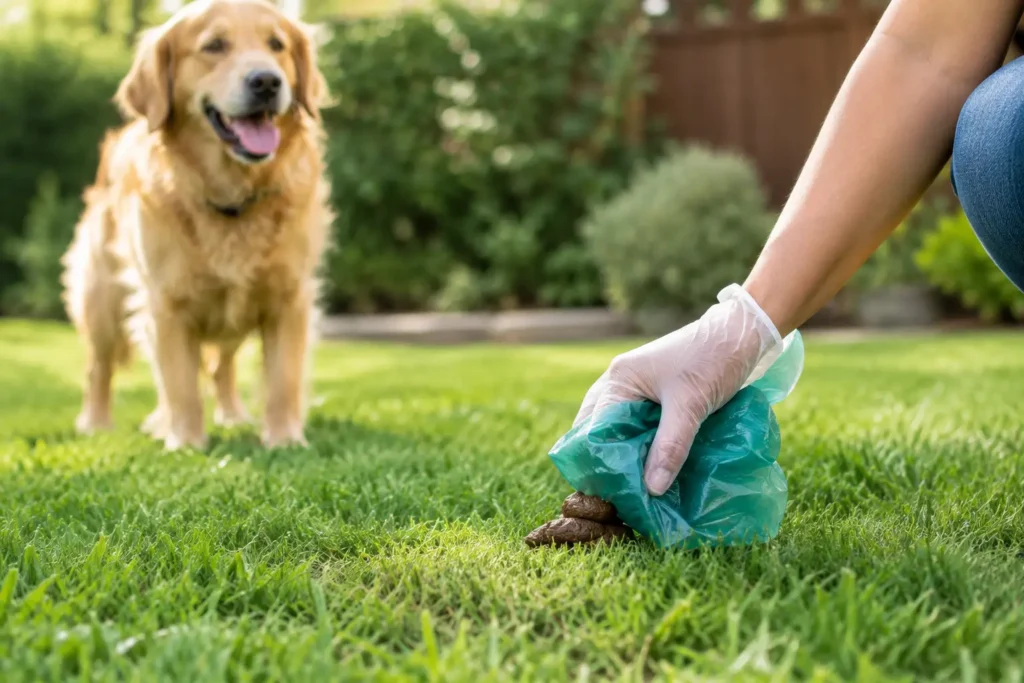
A clean yard is more than a nicer place to throw a ball or let the kids play. When you remove dog feces safely, you reduce unpleasant odors, protect your shoes and floors, and limit your family’s and pets’ contact with germs that can live in waste. The job is not glamorous, but a simple routine makes it quicker, cleaner, and far less stressful.
For many Black Hills households, the hardest part is not knowing what to do. It is keeping up after a long workweek, a snowy stretch, or several dogs using the same backyard. The safest approach is consistent removal, proper bagging, and a few basic hygiene habits every time.
Why dog waste needs prompt cleanup
Dog poop is not fertilizer. Unlike manure from some grazing animals, pet waste can contain bacteria and parasites that do not belong in a family lawn, vegetable garden, or drainage area. Common concerns include roundworms, hookworms, Giardia, and bacteria such as E. coli. Not every pile carries every risk, but you cannot tell by looking at it.
Rain and snowmelt can move waste particles across the yard and toward storm drains. Flies can land on it, then travel to outdoor tables, toys, and entryways. Dogs can also step in old waste or investigate it during play, bringing the mess back into the house on paws and fur.
Picking up waste at least once a week is a practical baseline for most homes. If you have multiple dogs, young children, a small yard, or a dog with loose stool, more frequent cleanup is usually the better choice. During warm weather, frequent removal also helps keep odors and flies under control.
Tools that make safe poop pickup easier
You do not need a complicated setup. A dedicated scoop and rake, a sturdy pooper scooper with a bag, or disposable pickup bags all work well. The best choice depends on your yard and your comfort level.
For a larger property, a long-handled scooper lets you keep your distance and avoid bending repeatedly. For a quick walk around a small yard, a bag turned inside out over your hand can be effective. Either way, use supplies reserved for pet waste only. Do not use a garden trowel, kitchen gloves, or other items that may later be used for food, gardening, or household cleaning.
Keep a small cleanup station near your yard entrance or trash receptacle. It can hold bags, a scooper, disposable gloves, hand sanitizer, and a covered container if you need one. Having supplies ready removes the excuse to put the chore off until the piles become harder to find.
How to remove dog feces safely, step by step
Start by keeping children and pets away from the area you are cleaning. If your dog is in the yard, secure them inside or in a separate section first. Even a friendly dog may be curious about the scoop, bags, and open gate.
Wear disposable gloves if you have cuts on your hands, sensitive skin, or are handling soft stool. Gloves are also a good idea when cleaning after a puppy, an unfamiliar dog, or a pet with diarrhea. They are not a substitute for washing your hands afterward.
Use your scoop, rake, or bag to collect the waste without smearing it into the grass. With a bag, turn it inside out over your hand, grasp the waste, pull the bag back over it, and tie it shut. With a scooper, place the waste directly into a bag rather than leaving it in an open bucket where odor and flies can build up.
Double-bagging is a smart extra step, especially for loose stool, warm days, or a trash can that will sit for several days. Seal the bag tightly before placing it in your household trash receptacle. Do not leave filled bags along the fence line, on a porch, or in an uncovered outdoor container.
When the yard is clear, remove gloves carefully without touching the outside surface. Wash your hands with soap and running water for at least 20 seconds. Hand sanitizer is useful when you are away from a sink, but soap and water are the better choice after handling pet waste.
Dispose of dog waste the right way
For most homeowners, bagged dog waste belongs in the regular household trash. Follow local collection rules if your community has specific requirements, and always keep bags sealed. This keeps the waste contained until pickup and prevents your trash receptacle from becoming a source of odor.
Avoid flushing dog waste unless your local wastewater authority specifically says it is acceptable. Parasites found in dog waste may not be handled the same way as human waste, and septic systems are not a good place for it. Dog poop also should not go into a backyard compost pile used around edible plants. Home compost often does not reach temperatures high enough to kill harmful organisms.
If a pile is old, frozen, or stuck to the ground, do not scrape aggressively and scatter it across the lawn. Lift what you can, bag it, and let a thaw or moisture loosen the remainder before returning to the area. In winter, marking common potty areas can help you avoid a surprise cleanup when the snow melts.
Disinfect thoughtfully after a mess
Routine pickup does not require spraying your entire lawn with disinfectant. In fact, broad chemical use can be hard on grass, soil, pets, and surrounding plants. Focus your cleaning attention on hard surfaces and equipment that had direct contact with waste.
If poop lands on concrete, a deck, a patio, or artificial turf, remove all visible material first. Then clean the surface using a pet-safe cleaner or disinfectant according to its label directions. Allow the recommended contact time, and keep pets and children away until the area is dry.
Wash reusable scoopers and rakes after each use. A rinse alone may not be enough if residue remains in the tool. Clean it in a utility area, not in a kitchen sink, and store it away from children. If you use a kennel-grade disinfectant, follow its dilution and safety directions closely. More product is not always better.
Extra care for families, seniors, and multiple-dog homes
A clean yard matters even more when children play close to the ground or when someone in the household has a weakened immune system. Teach kids not to touch poop, old or new, and make handwashing part of outdoor playtime. Keep sandboxes covered and outdoor toys picked up rather than leaving them near the dog’s usual potty area.
For older adults or anyone with back, knee, or mobility challenges, bending and carrying bags across a slippery yard can turn a basic chore into a real risk. A long-handled tool can help, but it is reasonable to hand the task off when it no longer feels safe or manageable.
Multiple dogs create a different challenge: volume. A weekly cleanup may be enough for one dog with a large yard, while a smaller yard with two or three dogs may need attention twice a week or more. There is no one schedule that fits every household. The right frequency is the one that keeps waste from accumulating between visits.
When professional dog waste removal makes sense
A professional cleanup service is useful when consistency is the missing piece. Technicians can remove waste on a recurring schedule, double-bag it, place it in your trash receptacle, and leave your yard ready for normal family use. That is particularly helpful after vacations, during winter, or when life gets busy.
Black Hills Scoop Squad serves local dog-owning households with recurring and one-time cleanup options designed around real yard conditions. Service notifications and closed-gate photos provide reassurance that the job was completed while your property and pet routines were respected.
Professional service does not replace good pet care. Keep your dog current on veterinary care, address diarrhea or unusual stool with your veterinarian, and maintain a designated potty area when possible. But regular removal takes one persistent source of mess and worry off your weekly list.
A cleaner yard starts with a simple routine
The safest habit is also the simplest: pick up waste promptly, seal it securely, wash your hands, and clean tools before storing them. If that routine keeps falling behind, do not wait until the yard feels overwhelming. A dependable schedule, whether you handle it yourself or have help, gives your dogs a cleaner space and gives you one less unpleasant chore to carry into the weekend.