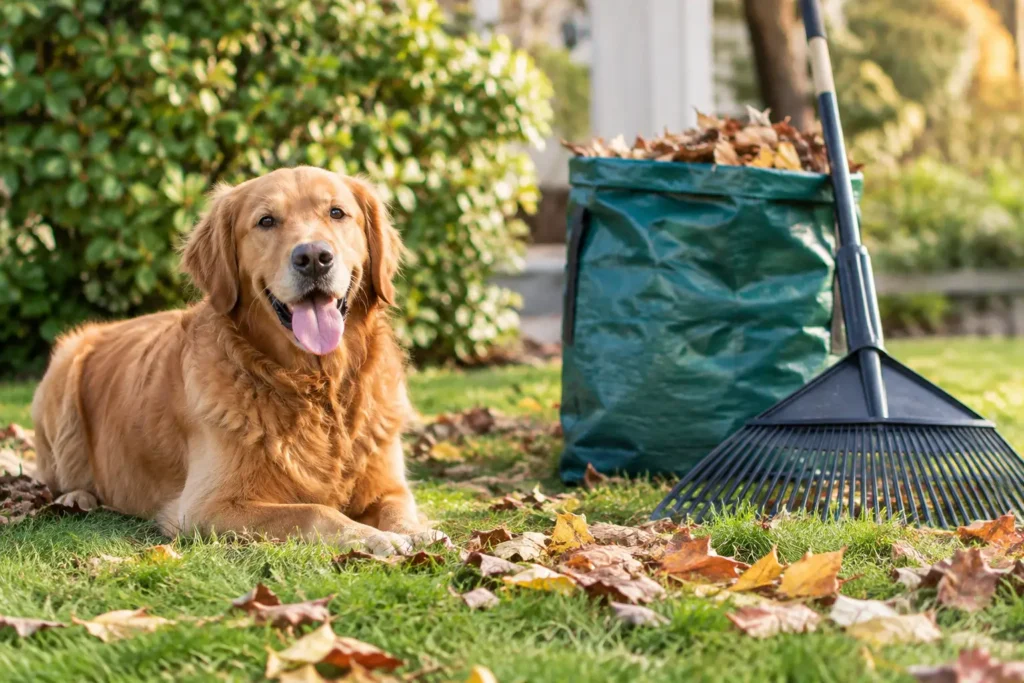
A clean yard does more than improve curb appeal. For dog-owning households, it creates a safer place for pets to play, gives kids room to run, and makes it easier to enjoy a sunny afternoon without worrying about what is underfoot. This guide to seasonal yard cleanup is built for Black Hills homeowners who want a manageable routine, even when the weather changes fast and life is already busy.
Start With a Yard Walk, Not a To-Do List
Before grabbing rakes, bags, or lawn tools, take a slow walk around your property. Winter can leave behind broken branches, windblown trash, compacted leaves, hidden pet waste, and damaged fencing. Spring storms and summer heat create their own trouble spots, while fall cleanup can quickly turn into a bigger job if debris is left too long.
Walk the yard with your dog’s usual path in mind. Check gates, fence lines, patio edges, play areas, and the places where snow piles tend to melt last. These are often the areas where waste, standing water, and debris collect. A quick inspection helps you prioritize what needs attention now and what can wait for a better weather day.
If you have a large yard, divide it into sections. Cleaning one side of the property at a time is more realistic than trying to finish everything in one afternoon. It also makes it less likely that small but important tasks, like removing waste from behind a shed or checking a loose gate latch, get missed.
Spring Yard Cleanup After a Black Hills Winter
Spring is usually the most demanding cleanup season. As snow recedes, it can reveal months of accumulated leaves, branches, litter, and dog waste. That first warm weekend may feel like the right time to tackle everything, but waiting until the ground is reasonably dry can prevent unnecessary lawn damage.
Clear Pet Waste First
Dog waste should be one of the first things removed once it becomes visible. It is not fertilizer, despite a common misconception. Left on the lawn, it can contribute to unpleasant odors, attract flies, create brown spots, and expose people and pets to bacteria and parasites. Waste hidden under snow can be especially easy to overlook until the yard starts thawing.
Use gloves and sturdy bags, then place the waste in your regular trash according to local disposal guidelines. Avoid adding it to compost intended for gardens or food-growing areas. If spring cleanup feels overwhelming, a one-time professional cleanup can give your yard a clean starting point before regular mowing and outdoor time begin.
Rake Carefully and Check Drainage
Once the lawn has dried enough to walk on without sinking, lightly rake matted grass, leaves, and small twigs. Heavy raking on saturated soil can pull up healthy grass and compact the ground, so there is a trade-off between getting the job done early and protecting your lawn.
Pay attention to puddles that stay in place after rain or snowmelt. Standing water can make parts of the yard unusable, encourage mosquitoes later in the season, and create muddy areas where dogs track dirt indoors. Some drainage issues need professional landscaping help, but clearing leaves from low spots and downspout outlets is a practical first step.
Keep Summer Cleanup Simple and Consistent
Summer yard care is less about one major cleanup and more about preventing buildup. Grass grows quickly, dogs spend more time outside, and warm temperatures can make pet waste odors stronger. A small weekly routine is easier on your schedule than a large cleanup after several weeks of neglect.
Mow at an appropriate height for your grass type and avoid cutting more than one-third of the blade at once. A slightly taller lawn often handles heat and dry conditions better than a closely cropped one. Pick up fallen branches after storms, keep pathways clear, and trim back plants that block visibility around gates or fence corners.
For homes with dogs, regular waste removal is the part of summer cleanup that makes the biggest daily difference. A clean lawn is more comfortable for bare feet, safer for children, and more pleasant when friends stop by. It also means you are less likely to spend your weekend scanning the grass with a bag in hand.
Black Hills Scoop Squad can handle that recurring chore with weekly, twice-monthly, or monthly visits, so your yard stays usable between mows and backyard gatherings. Consistent service is especially helpful for busy families, older adults, and anyone who would rather spend their limited free time outside with the dog than cleaning up after it.
Prepare for Fall Before Leaves Take Over
Fall cleanup is about preventing problems that show up in spring. Leaves can look harmless when they first fall, but a thick, wet layer can smother grass, hold moisture against the soil, and hide pet waste. If your yard has mature trees, waiting until every leaf has dropped may be tempting, but several lighter cleanups are usually easier than one large job.
Rake or mulch leaves as needed, depending on the volume and condition of the leaves. A light layer of dry, shredded leaves can be mulched into the lawn. Thick piles, wet leaves, and leaves covering garden beds or high-traffic dog areas should be removed instead. The right choice depends on your lawn, your mower, and how much material you are dealing with.
Fall is also a good time to inspect outdoor furniture, hoses, sprinklers, and dog toys. Bring in anything that can crack, rust, or blow away during winter weather. Clear debris from along fences and gates so snow does not hide a damaged section that could become an escape route for a curious dog.
Winter Yard Cleanup Is Mostly About Access and Safety
A Black Hills winter does not require a perfectly manicured lawn. It does require safe access. Keep a clear path from the house to your dog’s outdoor area, and check gates after heavy snow or high winds. Snowdrifts can change the height of a fence from a dog’s perspective, making it easier for some dogs to jump or climb over.
Continue picking up dog waste when conditions allow. Snow can conceal it for a while, but it does not make the problem disappear. Regular removal keeps the spring thaw from becoming a messy surprise. If you use ice melt near dog areas, choose a pet-safer option and follow the product directions carefully. Even pet-friendly products should be used thoughtfully and stored where pets cannot access them.
Avoid piling snow directly against fences, shrubs, or low tree branches. The pile may freeze into a hard ramp, damage plants, or create a shortcut out of the yard. A little planning during snow removal can save a frustrating repair when warmer weather returns.
Make Cleanup Easier on Your Schedule
The best yard routine is the one you can actually maintain. For some homeowners, that means setting aside 20 minutes each week for a quick walk-through, waste pickup, and branch check. For others, especially households juggling work, kids, mobility challenges, or multiple dogs, it means outsourcing the dirtiest recurring task.
Keep essential supplies in one spot near the door or garage: gloves, waste bags, a rake, a small bin for debris, and a towel for muddy paws. When the tools are easy to reach, you are more likely to take care of a small problem before it becomes a weekend project.
A regular service schedule can also provide peace of mind. Professional pet waste removal is not only about avoiding an unpleasant chore. It helps keep your outdoor space cleaner and more predictable, with technicians who respect your property, secure the gate, and communicate when service is complete.
A Clean Yard Gives You More Room to Enjoy Home
Seasonal yard cleanup does not have to mean chasing a perfect lawn. The goal is a safe, sanitary, usable space for your household and your dog. Handle the seasonal jobs that protect your property, stay consistent with waste removal, and give yourself permission to get help with the tasks that take the most time or energy.
When the yard is clean, the next warm day feels simpler: open the door, let the dog out, and enjoy the space you work hard to call home.