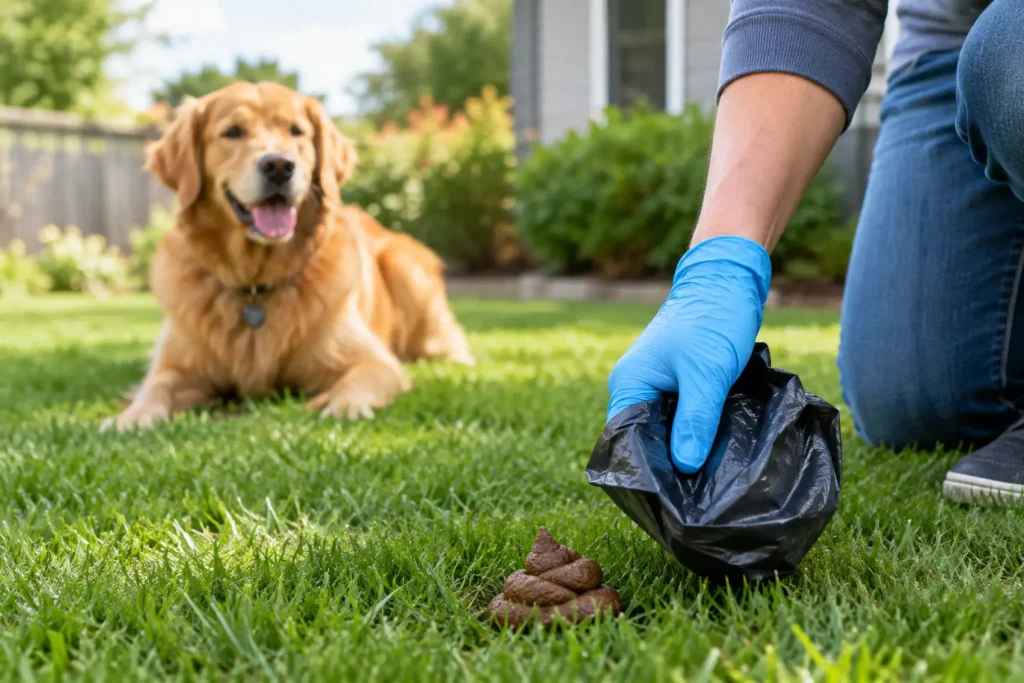
A backyard can look perfectly fine from the patio while still hiding a problem under the grass. So, is dog waste hazardous? It can be. Dog poop is more than an unpleasant chore or a reason to watch where you step. When it sits in a yard, it may carry germs and parasites that can affect people, other pets, and local water sources.
That does not mean every pile of dog waste will make someone sick. A healthy dog may not be shedding harmful organisms at any given time. But because you cannot tell what is in waste just by looking at it, regular pickup is one of the simplest ways to keep a yard safer and more enjoyable for the whole household.
Why Dog Waste Is Hazardous in a Yard
Dog waste can contain bacteria, parasites, and other organisms that spread through contact. Young children are especially vulnerable because they play close to the ground, touch grass and toys, and may put their hands near their mouths before washing them. Older adults, people with weakened immune systems, and anyone handling waste without proper handwashing should also take extra care.
Potential concerns can include parasites such as roundworms and hookworms, along with bacteria such as E. coli and salmonella. Dogs can pick up these organisms from contaminated soil, standing water, wildlife, other animals, or even a walk around the neighborhood. Some dogs show signs of illness, but others can appear completely healthy while still passing germs in their stool.
The risk depends on your dog’s health, veterinary care, the number of dogs using the yard, weather conditions, and how long waste is left behind. Still, the practical answer is the same: treating dog waste as something that needs prompt removal is a smart household habit.
It Can Spread Beyond the Pile
A pile of poop does not stay neatly contained forever. Rain, melting snow, sprinklers, shoes, mower tires, and playful paws can move tiny particles into other parts of the property. Contaminated soil can stick to a child’s ball, get tracked into the house, or collect near areas where pets sniff and play.
This matters in the Black Hills, where changing weather can turn a frozen winter yard into a wet spring runoff zone quickly. Waste left behind through the winter may become a messy sanitation issue once snow melts. Picking up consistently, rather than waiting for the yard to thaw, reduces the buildup.
Is Dog Waste Hazardous to Other Dogs?
Yes, dog waste can be hazardous to other dogs, particularly puppies, senior dogs, unvaccinated dogs, or dogs with existing health concerns. Dogs investigate their world with their noses, and many are not shy about sniffing, licking, or stepping in things they find outside. That behavior makes a neglected yard a possible exposure point.
Parasites and contagious illnesses can spread when dogs encounter infected waste or contaminated soil. Regular veterinary visits, parasite prevention, and vaccinations are essential layers of protection. Yard cleanup is another practical layer because it removes the material before another dog has a chance to investigate it.
If you have multiple dogs, the volume can add up faster than expected. Even a small yard can become difficult to manage after a busy week, a cold snap, or a stretch of bad weather. A recurring cleanup schedule keeps the task from turning into a larger job and gives dogs a cleaner place to spend time.
Dog Poop Can Affect Water and the Environment
Dog waste is not a good fertilizer for lawns, gardens, or vegetable beds. Unlike manure from certain livestock, it can contain pathogens that are not appropriate for home composting or leaving to break down in grass. It may also add excess nutrients to runoff, contributing to poor water quality when it reaches storm drains, creeks, or other waterways.
The issue is not limited to a yard beside a stream. Runoff travels. Heavy rain can move waste particles down driveways, across streets, and into drainage systems. Cleaning up after your dog is a small action that protects your own property and shows consideration for neighbors and the wider community.
It is also worth keeping dogs away from any waste you spot on walks. Not every owner picks up promptly, and you do not know the health history of the dog that left it behind.
What to Do After You Find Dog Waste in the Yard
The best approach is simple: remove it regularly, bag it securely, and wash your hands afterward. For a typical household, weekly cleanup is a reasonable baseline. Homes with several dogs, frequent backyard use, young children, or a small yard may benefit from more frequent service.
Use a dedicated scoop or rake and a durable bag rather than handling waste directly. Double-bagging helps control leaks and odors, especially during warm weather. Place the sealed bag in your regular trash receptacle unless your local waste rules say otherwise. Avoid flushing bags, even bags labeled as flushable, because they can create plumbing and wastewater problems.
After cleanup, wash hands thoroughly with soap and warm water. Hand sanitizer can be useful when you are away from a sink, but it should not replace proper handwashing after handling pet waste. Clean any tools used for the job, too. A quick rinse is not always enough if the tool has visible residue.
Keep Play Areas and Pet Areas Separate When Possible
You do not need a huge yard to create better habits. If your dog naturally favors one area, encourage bathroom breaks there and clean that spot often. Keeping the dog potty area away from children’s play equipment, patios, garden beds, and outdoor dining spaces can reduce accidental contact.
This arrangement is not a substitute for scooping, but it makes routine cleanup faster and helps keep the rest of the yard more usable. It can also make a big difference for homeowners who want to enjoy their lawn without scanning every step.
When Professional Cleanup Makes Sense
Many homeowners start with good intentions and still fall behind. Work schedules, travel, mobility limitations, harsh weather, and the plain unpleasantness of the task can make dog waste cleanup easy to postpone. Unfortunately, postponing it is when the mess, odor, and sanitation concerns tend to grow.
A professional pet waste removal service provides consistency. At Black Hills Scoop Squad, technicians remove waste from the yard, double-bag it, and place it in the customer’s trash receptacle. Service notifications and a closed-gate photo offer added peace of mind, while pet-safe disinfecting practices help support a cleaner outdoor space.
Professional service is not only for large yards or households with multiple dogs. It can be a practical option for busy families, homeowners recovering from an injury, older adults, and anyone who would rather spend their weekend enjoying the Black Hills than doing yard cleanup.
A Cleaner Yard Starts With a Routine
The goal is not to worry about every trip your dog takes outside. It is to build a routine that keeps waste from accumulating and gives your family and pets a cleaner place to live and play. Pick up promptly after walks, schedule regular yard checks, keep up with veterinary prevention, and wash hands after handling waste.
A yard should be a place for fetch, patio time, and letting your dog stretch out in the sun – not another recurring chore waiting for the right weekend. Consistent cleanup keeps that small problem from becoming the thing that keeps everyone indoors.