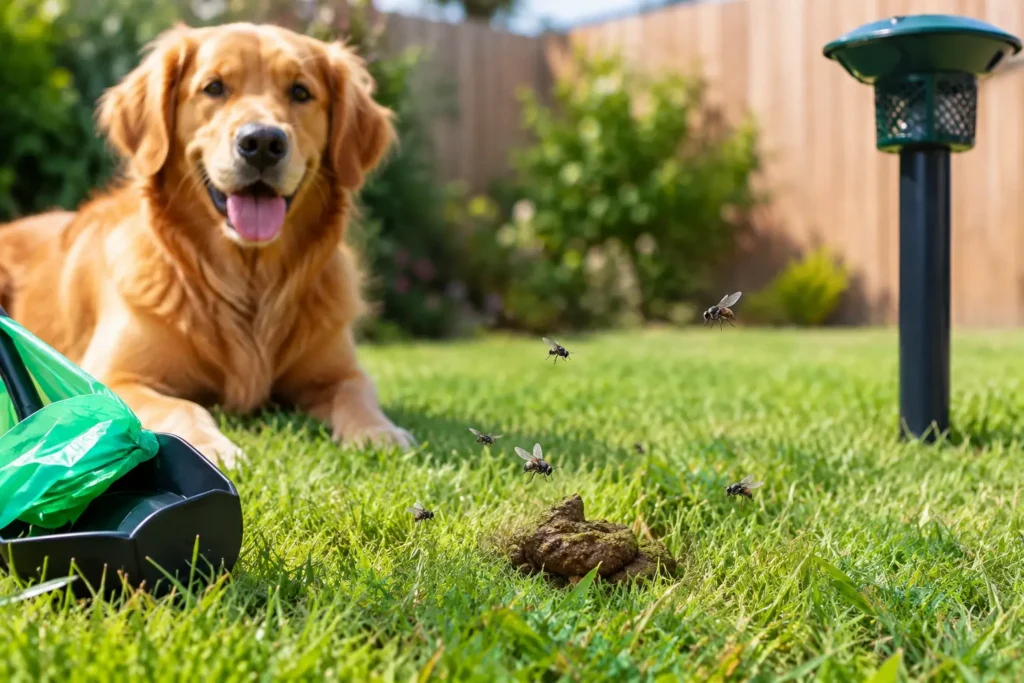
A few piles left behind after a busy week can turn a perfectly usable yard into a place nobody wants to sit. If you are trying to control flies around dog waste, the most effective answer is usually not a stronger spray. It is removing the food and breeding source quickly, then addressing the moisture and yard conditions that help flies linger.
For dog owners in the Black Hills, fly pressure tends to climb with warm weather, rain, and the normal rush of summer outdoor activity. A consistent cleanup routine makes a noticeable difference for your family, your guests, and your dog.
Why Dog Waste Attracts Flies
Dog waste gives flies exactly what they are looking for: organic material, moisture, and a protected place to feed and lay eggs. House flies and other nuisance flies can find waste quickly, especially when several deposits have accumulated in a warm part of the yard.
The problem is more than annoyance. Flies move from waste to patio furniture, outdoor food, water bowls, and entry doors. While a few flies do not automatically mean your yard is unsafe, letting pet waste build up creates a less sanitary environment and makes it harder to enjoy your outdoor space.
Fresh waste is especially attractive, but older piles can continue to support fly activity when they stay damp. Rain, shaded areas, thick grass, and poor drainage can all extend the problem. That is why a yard can still have flies even when it does not look especially messy at first glance.
Control Flies Around Dog Waste by Removing It Fast
The most dependable way to reduce flies is simple: pick up dog waste before it has time to attract them. For a household with one dog, that may mean a quick daily walk-through. For multiple dogs, large breeds, or dogs that use the same corner of the yard, cleanup may be needed more often.
Use a bag or scoop that keeps waste contained, and seal it before placing it in your trash receptacle. If your outside trash can tends to attract flies, keep the lid fully closed and rinse the inside as needed. A loose, overflowing can can undo much of the effort you put into cleaning the lawn.
Consistency matters more than a once-in-a-while deep clean. Scooping the whole yard every Saturday helps, but flies have nearly a full week to gather when waste is left out between cleanups. A regular weekly professional service can work well for many homes, while households with several dogs may prefer more frequent attention during the warmest months.
Pay attention to favorite potty areas
Most dogs develop a few preferred bathroom spots. Check those areas first, including along fences, behind sheds, near decks, and under trees. These are easy places for waste to be missed and for flies to gather out of sight.
If your dog uses a gravel run or a small side yard, inspect it carefully. Waste can blend into rock, dry grass, or leaves, but flies will still find it.
Reduce Moisture and Other Fly Hotspots
Removing dog waste is the main job, but it is not the only one. Flies also need moisture, and standing water gives them another reason to stay near your home.
Walk your property after watering or rainfall. Empty pet bowls that are not in use, kids’ toys that collect water, plant saucers, and low spots near downspouts. Repair dripping outdoor faucets and make sure trash can lids do not hold puddles after a storm. Keep in mind that your dog still needs fresh drinking water outside – just refresh the bowl daily and keep the area around it clean.
Mow regularly and trim back overly dense vegetation near the house, patio, and dog run. A neat yard does not eliminate every fly, but better airflow and less damp debris make the area less inviting. Pick up fallen fruit if you have fruit trees, and keep compost bins well managed and covered.
It also helps to keep the dog’s feeding area clean. Do not leave wet food outdoors, and wash food bowls often. If flies are concentrated around a bowl rather than the lawn, the source may be spilled food or moisture instead of waste alone.
Use Fly Treatments Carefully Around Pets
When flies are already active, traps and treatments can provide short-term relief. The key is to use them as support for cleanup, not as a replacement for it.
Outdoor fly traps can help when placed away from doors, patios, grills, and the spot where your family gathers. Put a trap too close to the house, and you may attract more flies to the area you are trying to protect. Follow the product directions closely and place traps where curious dogs cannot reach them.
Pet-safe outdoor products may be appropriate in certain areas, but avoid applying insecticides directly to dog waste, your dog’s toys, food bowls, or places where your dog regularly sniffs and lies down. If you are considering a yard treatment, read the full label for pet instructions and drying times. When in doubt, ask a licensed pest control professional which option fits your property.
A fan on a covered patio can be surprisingly useful during meals or gatherings. Flies are not strong fliers, so moving air makes it harder for them to land. This will not solve a waste problem in the yard, but it can make your outdoor living area more comfortable while you address the source.
Do Not Miss the Signs That the Problem Is Bigger
A few flies on a hot afternoon are normal. A sudden, heavy fly problem may point to more than dog waste. Check for a dead rodent or bird near the property, garbage that needs to be emptied, a neglected compost pile, animal waste from wildlife, or drainage issues around the home.
Maggots in or near dog waste are a clear sign that cleanup needs to happen sooner and more completely. Wear gloves, bag the waste securely, and wash your hands afterward. If you see maggots in a trash can, empty it, clean the container, allow it to dry, and keep the lid shut.
If flies remain unusually heavy after you remove waste and standing water, professional pest control may be the right next step. That is particularly true if flies are getting inside the home or gathering around windows, vents, or garbage storage areas.
A Cleanup Schedule That Fits Real Life
The right schedule depends on the number of dogs, the size of your yard, and the season. One small dog in a large yard may be manageable with several quick pickups each week. A family with two or three dogs can see fast buildup, particularly after rain or during a hot Rapid City stretch.
The practical goal is not a yard that looks perfect for an hour. It is a yard that stays clean enough to use without scanning the grass, worrying about kids stepping in a mess, or swatting flies every time you sit outside.
For homeowners who do not have the time, mobility, or stomach for frequent cleanup, recurring pet waste removal makes the routine easier to maintain. Black Hills Scoop Squad removes waste, double-bags it, and places it in your trash receptacle, so the job does not sit in your yard or become another weekend chore. Service notifications and a closed-gate photo also help you know the work was completed while you are at home or away.
Common Questions About Flies and Dog Waste
Will picking up dog poop once a week stop flies?
Weekly cleanup can greatly reduce the problem, especially when the yard starts clean. However, daily or every-other-day pickup may work better during peak fly season, after rain, or in homes with multiple dogs. The faster waste is removed, the less opportunity flies have to feed and reproduce.
Does lime get rid of flies around dog waste?
Lime is sometimes used to dry or alter outdoor waste areas, but it is not the best first solution for a dog yard. Some lime products can irritate paws, skin, and eyes if used incorrectly. Reliable cleanup, moisture control, and pet-safe practices are safer priorities.
Can I bury dog waste in the yard?
Burying waste is not a good fly-control method. It can still create sanitation concerns, attract animals, and contaminate soil or water in some situations. Bagging and disposing of it through your regular trash service is generally the cleaner option.
A cleaner yard changes how your home feels. When waste is removed on a dependable schedule and damp trouble spots are kept in check, your patio, grass, and dog run become places your family can enjoy again instead of another item on the weekend to-do list.