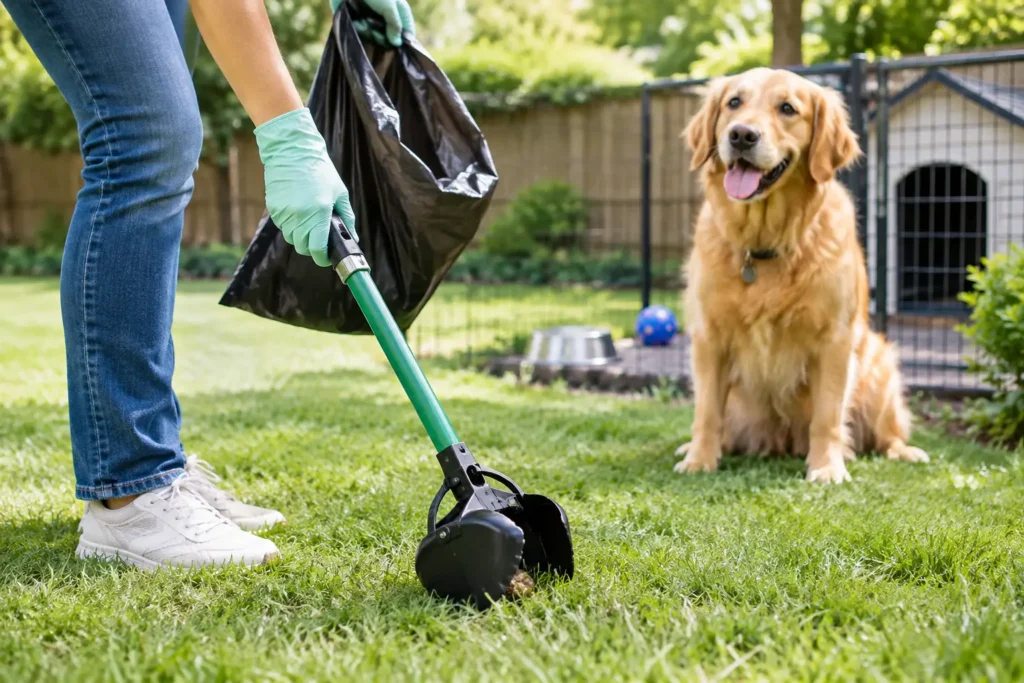
A backyard can go from family hangout to no-go zone faster than most dog owners expect. A few missed piles, a wet patch near the fence, or a lingering odor around the patio can make the whole space feel less inviting. This guide to outdoor pet area hygiene gives Black Hills homeowners a practical routine for keeping yards cleaner, safer, and ready to use.
The goal is not a perfectly sterile yard. Dogs need room to sniff, play, dig, and be dogs. Good outdoor hygiene simply means removing waste promptly, managing odor and drainage, and paying attention to the areas where pets and people spend the most time.
Start With Consistent Waste Removal
Dog waste is the foundation of outdoor pet area hygiene. When it sits in the yard, it does more than look unpleasant. It can attract flies, contribute to odor, get tracked into the house, and leave contaminated areas where children and pets play.
For most households, a weekly cleanup is a reasonable baseline. Homes with multiple dogs, small yards, or dogs that use one favorite corner may need cleanup two or three times per week. In warmer weather, more frequent removal makes an even bigger difference because heat speeds up odor and insect activity.
Do not wait for a yard cleanup until the day before guests arrive. By then, the waste has had time to break down, disappear into taller grass, or get spread around by rain, shoes, mower wheels, and curious paws. A simple, regular schedule is easier than a big catch-up job.
When picking up waste, use a dedicated scooper or disposable bags and wash your hands afterward. Avoid using the same tools for gardening without cleaning them first. If you have children, make sure they understand that pet waste is not something to touch or play near.
Set Up a Better Potty Area
Many dogs naturally choose the same part of the yard. That habit can be useful when you work with it. A designated potty zone makes daily cleanup faster and keeps the rest of the lawn, patio, and play area more comfortable.
Choose a spot away from vegetable gardens, outdoor dining spaces, sandboxes, and frequently used entrances. A side or back corner with decent drainage often works well. If your dog is resistant to using the area, take them there on leash for several days and reward them immediately after they go.
Grass is familiar for most dogs, but it is not always the easiest surface to maintain. Gravel, pea rock, mulch made specifically for pet use, or artificial turf can work in a designated area. Every option has trade-offs. Gravel can be simple to rinse but may be uncomfortable for sensitive paws. Artificial turf looks tidy but needs regular rinsing and cleaning to control odor. Natural grass is comfortable but may develop worn, discolored patches from frequent use.
Whatever surface you choose, avoid creating a low spot where urine and rainwater collect. Standing water creates mud, odor, and an unpleasant place for dogs to walk.
Control Odor Before It Builds Up
Odor usually points to a simple problem: waste is sitting too long, urine is concentrated in one spot, or the area is not draining well. Fragrance alone will not fix the cause, and heavily scented products can be irritating for dogs.
For a grass potty area, a light rinse with water can dilute urine, especially during dry stretches. Do not overwater the entire lawn in an attempt to solve odor. Focus on the spots your dog uses most, and let the area dry between rinses.
Hard surfaces such as concrete patios, kennel pads, and pavers should be cleaned when accidents happen. Remove solid waste first, rinse the surface, then use a pet-safe cleaner according to its directions. A kennel-grade disinfectant may be appropriate for hard, nonporous surfaces, but it should be used carefully and never applied where pets can lick it before it has dried.
Skip household chemicals that are not labeled for pet areas. Bleach, ammonia-based products, and strong degreasers can create fumes or residues that are not a good fit for dogs. If you are unsure about a product, choose a pet-safe option and follow the label exactly.
Keep Water, Food, and Toys Separate From Waste Areas
Small layout changes can make a yard much easier to keep clean. Put outdoor water bowls and feeding stations well away from the potty zone. Refresh water daily and wash bowls regularly, particularly in summer when debris and insects show up quickly.
Pick up toys after playtime when possible. Tennis balls, chew toys, and frisbees can roll through dirty areas and then end up in your dog’s mouth or inside your home. A weatherproof bin near the door gives the family an easy place to store them.
It also helps to create a clear path from the gate to the house. This limits how often people walk through the area your dog uses for bathroom breaks. A simple stepping-stone path or mulch walkway can reduce mud and make post-rain cleanup less frustrating.
Pay Attention to Seasonal Changes in the Black Hills
Outdoor pet area hygiene changes with the weather. Spring snowmelt can reveal weeks of hidden waste, while summer heat can make odors stronger and bring more flies. Fall leaves can cover piles and make them easy to miss. Winter adds another challenge when snow and ice hide the places your dog has been using.
In spring, do a thorough reset once the snow is gone. Walk the full property, including fence lines, shrubs, decks, and areas behind sheds. Rake away old debris after removing waste so air and sunlight can reach the lawn.
During summer, stay ahead of waste removal and rinse high-use potty areas as needed. Check shaded, damp places for insects and muddy spots. In winter, choose a consistent potty route and keep it reasonably clear of snow so your dog does not start using the patio, driveway, or a spot too close to the door.
Do Not Forget Gates, Leashes, and High-Touch Surfaces
The yard is not the only part of the routine. Germs and waste residue can move from the ground to gate latches, leash handles, shoe soles, deck steps, and vehicle floors. You do not need to disinfect every surface every day, but a regular wipe-down of high-touch areas is a smart habit.
Keep a small cleanup station near the door with bags, hand sanitizer, a towel for paws, and a covered container for used supplies. This is especially helpful for busy mornings, rainy days, and households where several people take the dog outside.
If your dog has diarrhea, parasites, or another illness, remove waste as soon as possible and limit shared yard time with other dogs until you have guidance from your veterinarian. Extra cleanup is worthwhile when health concerns are involved.
Make the Routine Fit Your Household
The best hygiene plan is one you can actually maintain. A family with two large dogs and a small fenced yard may need frequent pickups. A single senior dog on a large property may produce less visible mess, but missed waste can still build up over time. Mobility limitations, travel, work schedules, and weather all matter.
For homeowners who are tired of handling the chore, recurring professional cleanup can keep the routine from slipping. Black Hills Scoop Squad removes pet waste, double-bags it, places it in your trash receptacle, and provides service notifications so you know the work was completed. That kind of consistency can be especially helpful after winter, before backyard gatherings, or when weekly yard work already feels like enough.
A clean outdoor space is not about making dog ownership feel complicated. It is about giving your dog a comfortable place to be outside and giving your family a yard they can enjoy without watching every step.