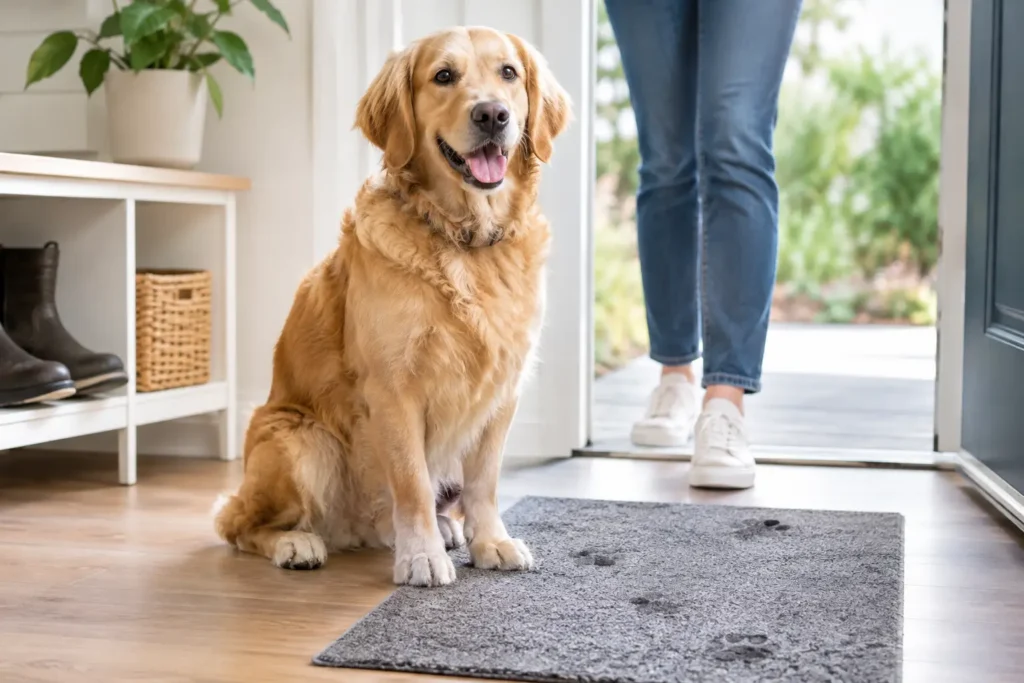
A quick potty break can turn into an unpleasant surprise when your dog comes inside with something stuck to a paw. In the Black Hills, muddy spring yards, summer rain, and snow-packed winter paths can make it even easier for dog waste to travel from the grass to your floors. The best way to prevent dog waste tracking is to manage the problem at the source: a cleaner yard, a defined potty area, and a simple routine at the door.
Nobody wants to inspect paw prints on the kitchen floor after the fact. A few practical changes can protect your carpets, reduce cleanup time, and make the yard more enjoyable for both your family and your dog.
Start With a Consistently Clean Yard
The most effective way to prevent dog waste tracking indoors is to remove waste before your dog can step in it. This sounds obvious, but it is easy for piles to disappear in tall grass, along fence lines, behind patio furniture, or under a fresh layer of snow.
For households with one dog, a thorough pickup at least once a week may be enough during dry weather. With multiple dogs, puppies, or a small yard, every other day is often more realistic. The more often waste is removed, the less opportunity there is for your dog to step in it and carry it toward the house.
Consistency matters more than a once-in-a-while deep cleanup. Waiting until the yard is noticeably messy means waste has had time to flatten into the grass, break apart in rain, or freeze into hidden spots during winter. Those are the conditions most likely to lead to tracking.
If staying on top of the yard is difficult because of a busy schedule, mobility concerns, or simply not wanting to spend your free time scooping, recurring pet waste removal can take that task off your list. Black Hills Scoop Squad provides scheduled cleanup so homeowners can have a cleaner yard without handling the mess themselves.
Create a Dedicated Potty Area
Dogs do not always choose one spot on their own, especially when the whole yard is available. Guiding your dog toward a designated potty area can make cleanup faster and reduce the chance of waste ending up near the patio, sidewalk, play set, or back door.
Choose an area away from the main entrance and the path your family uses most. A corner of the yard is often a good option, provided it is easy to reach and has enough room for your dog to feel comfortable. Keep the route to that spot simple. If the potty area is difficult to access in snow or rain, your dog may choose a more convenient location instead.
Surface choice depends on your dog and your property. Grass is familiar and comfortable for many dogs, but it can hold moisture and conceal waste. Gravel or pea rock may make waste easier to spot, though some dogs do not like the texture. Artificial turf can be easier to rinse and maintain, but it still requires frequent waste removal and pet-safe cleaning. There is no single right surface. The goal is a spot that your dog will use reliably and that you can inspect easily.
Train the Route, Not Just the Command
A potty command can help, but the route matters too. Take your dog directly to the designated area on a leash for several days or weeks, especially after meals, naps, and playtime. Reward them when they use the spot.
This is particularly helpful for young dogs and dogs new to a home. Once the habit is established, many dogs will head to the same area on their own. That means fewer surprise piles across the yard and fewer chances for contaminated paws near the door.
Make the Doorway a Clean-Paw Checkpoint
The few seconds before your dog comes inside are your best opportunity to stop a mess. Set up a small paw-cleaning station near the door your dog uses most. It does not need to be complicated, but it should be easy enough to use every day.
Keep a durable outdoor mat at the entrance to catch loose dirt and moisture. Just inside, place an absorbent washable mat and a towel designated for paws. On wet or muddy days, gently check between toes, around the pads, and along the fur on the lower legs. Waste and mud can get pressed into those areas, especially on long-haired dogs.
A pet-safe paw wipe or a damp cloth works well for light cleanup. If your dog has clearly stepped in waste, rinse the paw with lukewarm water before wiping it dry. Avoid using harsh household cleaners, disinfecting wipes not labeled for pets, or strongly scented products on paws. Dogs lick their feet, and products that are safe for countertops are not automatically safe for skin or ingestion.
For families with children, this checkpoint is worth making non-negotiable. It helps keep more than floors clean. It reduces the chance that a toddler, crawling baby, or child playing on the carpet comes into contact with material brought in from the yard.
Keep the Path to the Door Clear
Even a clean potty area will not solve everything if the route back to the house is muddy, icy, or full of debris. Think about the path your dog uses after going outside. A narrow, well-maintained walkway can be easier to manage than letting your dog roam through wet grass before coming back inside.
During rainy periods, redirecting your dog along a gravel, paver, or mulch path may reduce mud on their paws. In winter, keep a portion of the route shoveled and avoid creating a tall snowbank directly in front of the door. Dogs can pick up frozen clumps, mud, and hidden waste when they have to push through deep or packed snow.
It also helps to keep outdoor rugs, doormats, and porch areas clean. A dirty mat does not clean paws. Shake it out, hose it off when weather allows, and replace it when it no longer traps debris effectively.
Respond Quickly When Accidents Happen
Even with a good routine, a dog may occasionally step in something before you notice. When that happens, act before your dog has a chance to walk through several rooms.
Guide your dog to a hard-surface area, garage, mudroom, or bathtub if possible. Remove visible material with a paper towel or disposable wipe, then rinse the paw and dry it thoroughly. If waste made it indoors, pick up the solid material first and clean the affected floor according to its surface. For carpet, blot rather than scrub to avoid pushing the mess deeper into the fibers.
Wash your hands after handling waste, cleaning paws, or disinfecting surfaces. It is also wise to wash any towels used for paws separately from kitchen towels, bedding, and clothing. These small habits keep one messy moment from turning into a larger sanitation problem.
Do Not Forget Routine Yard Sanitation
Picking up waste is the foundation, but sanitation can be useful in areas where dogs potty frequently. After a thorough cleanup, a kennel-grade disinfectant designed for pet environments may help address lingering odors and contamination on hard surfaces or designated potty zones. Always follow the product directions and keep pets away until the area is safe and dry.
Disinfecting is not a replacement for scooping. Spraying over waste, leaving piles in place, or relying on fragrance only covers the problem temporarily. Regular removal remains the most dependable way to reduce odor, discourage flies, and keep the yard usable.
Your routine may need to change with the season. Spring thaw can reveal weeks of hidden waste. Summer heat can intensify odor. Fall leaves can conceal piles, while winter snow makes them harder to locate. A scheduled cleanup plan gives your yard attention even when weather and daily life make it easy to put the chore off.
A Cleaner Yard Makes the Whole House Easier to Manage
Preventing tracked-in dog waste is less about chasing your dog around with a towel and more about setting up a routine that works before they reach the door. Keep the yard picked up, guide your dog to one dependable potty zone, maintain a clean path, and make paw checks part of coming inside.
When the yard stays under control, your dog gets more freedom to enjoy it and your family gets to enjoy the home without wondering what came in on four paws. A clean path to the door is one of those small household systems that pays off every single day.