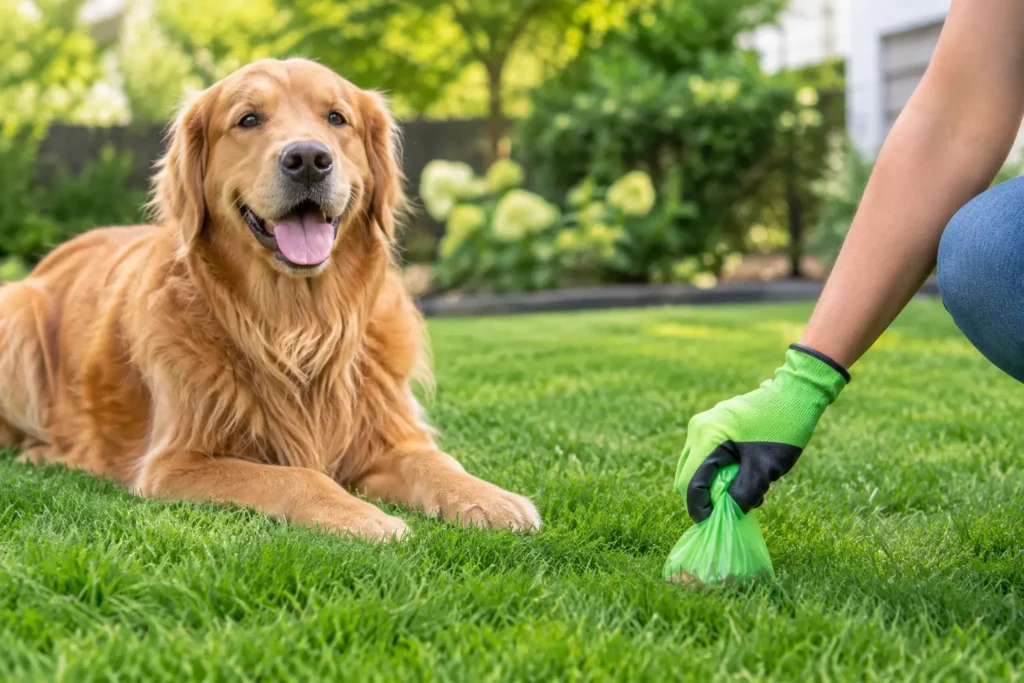
A yard can look tidy from the porch and still have problems waiting in the grass. Old pet waste, damp spots, muddy paws, and lingering odors can turn the place your dog loves most into a mess that is less enjoyable for everyone else. Dog friendly lawn sanitation is not about making your yard sterile. It is about creating a cleaner, safer outdoor space with habits that are practical for real dog-owning households.
For families across the Black Hills, that usually starts with one simple question: how often is the yard actually getting cleaned? A quick pickup before guests arrive is helpful, but consistent removal and thoughtful care make the biggest difference over time.
What Dog Friendly Lawn Sanitation Really Means
A dog-friendly sanitation routine focuses on removing waste promptly, reducing the germs and odor associated with it, and using products carefully around pets, children, grass, and landscaping. It also includes the less obvious details, such as cleaning the tools that touch waste, keeping water bowls fresh, and giving treated areas time to dry before your dog returns.
The goal is not to eliminate every microbe outdoors. That is neither realistic nor necessary. The goal is to limit the buildup of waste and contamination in the areas where dogs sniff, roll, run, and rest.
Dog waste is more than an unpleasant chore. It can contain bacteria and parasites that may persist in soil, especially when piles are left behind for days or weeks. Rain and melting snow can spread residue across the lawn, while warm weather can intensify odors and attract flies. Regular pickup is the most effective first step because it removes the source before those problems have time to grow.
Start With Consistent Waste Removal
If there is one part of lawn sanitation worth getting right, it is the cleanup schedule. For one or two dogs, weekly service may be enough to keep a typical yard manageable. Households with several dogs, young dogs, or a smaller fenced area often benefit from twice-weekly or more frequent removal.
Waiting until the yard feels “bad enough” is where sanitation becomes harder. Waste dries out, breaks apart, gets hidden by grass, or is tracked by paws. Once that happens, a simple pickup turns into a much larger job.
When cleaning your own yard, use a dedicated scoop and rake or a bagged pickup tool. Wear gloves if needed, avoid touching your face, and wash your hands afterward. Double-bagging waste helps contain odor and keeps the trash receptacle cleaner. Store tools away from gardening equipment, kids’ toys, and anything used for food.
A professional pet waste removal service can make this routine much easier. At Black Hills Scoop Squad, technicians remove the waste, double-bag it, place it in the customer’s trash receptacle, and leave a closed-gate photo after service. That means you are not left wondering whether the yard was handled or whether a gate was secured.
Use Disinfectants Carefully Around Dogs
Disinfecting has a place in dog friendly lawn sanitation, but it is often misunderstood. You do not need to spray the entire lawn with chemicals. In fact, broad lawn spraying can be unnecessary, expensive, and potentially tough on grass, beneficial insects, or sensitive pets.
Instead, focus disinfection on high-contact hard surfaces. Think patio concrete, kennel flooring, dog runs, artificial turf, deck areas, outdoor crates, waste tools, and the bottom of shoe soles after a messy cleanup. These are places where residue can linger without being diluted by soil and weather.
Choose a product made for pet environments and follow its label exactly. A kennel-grade disinfectant can be appropriate for hard surfaces when used as directed, but stronger is not better. Dilution ratios and contact time matter. So does allowing the area to dry fully before dogs or children use it again.
Avoid mixing cleaners. Bleach, ammonia, acids, and other household products can create dangerous fumes when combined. Do not rely on heavily scented products to solve a sanitation issue, either. Fragrance may cover an odor temporarily, but it does not remove the waste source.
What About Natural Cleaning Options?
For routine rinsing and light cleanup, plain water and mild pet-safe soap can be useful on bowls, toys, and washable surfaces. Enzyme-based odor products may help with specific urine spots, especially on artificial turf or hardscape. Their results depend on using enough product to reach the source and giving it time to work.
Natural does not automatically mean harmless. Essential oils, concentrated vinegar, and homemade mixtures can irritate paws, upset a dog’s stomach if licked, or damage grass at high concentrations. When in doubt, use a product specifically labeled for the surface and follow pet-safety instructions.
Protect the Parts of the Yard Your Dog Uses Most
Every yard has high-traffic zones. Maybe it is the strip along the fence, the area near the back door, or the shaded patch under a tree. These spots deserve extra attention because they collect more paw traffic, waste, mud, and odor than the rest of the lawn.
Pick up waste from these areas first. If urine has created brown or thinning patches, do not assume the whole lawn needs treatment. Damage can depend on dog size, diet, how often the same spot is used, grass type, soil condition, and weather. Deep, occasional watering can help dilute salts in some situations, but constantly soaking the lawn can create mud and fungal problems. It depends on the season and your specific turf.
In winter, keep a clear route to the yard and continue regular waste pickup when conditions allow. Snow can hide piles until spring thaw, when a season’s worth of waste suddenly appears. A steady cleanup routine prevents that unpleasant surprise and helps protect the lawn as it comes back to life.
Do Not Forget Bowls, Toys, and Paws
Lawn sanitation is not limited to the ground. Outdoor water bowls should be emptied, rinsed, and refilled frequently. Standing water can collect dirt, saliva, algae, and insects. During hot, dusty, or smoky stretches, daily cleaning is a smart habit.
Wash outdoor toys when they become slimy, muddy, or heavily chewed. Inspect them for cracks that can trap grime. Fabric toys are often best kept indoors unless they can be fully washed and dried.
Paw checks are especially useful after rain, snowmelt, or a visit to a public dog area. Wipe muddy paws before your dog heads inside, and look between toes for packed dirt, ice, burrs, or irritation. This small routine protects your floors while helping you spot a problem before it becomes more uncomfortable for your dog.
Know When a Sanitation Problem Needs More Attention
A clean-looking lawn does not always mean there is nothing to address. Persistent odor after regular pickup may point to an artificial turf issue, poor drainage, or a frequently used urine area. A sudden increase in flies can mean waste is being missed or a trash container needs attention.
If your dog has diarrhea, visible worms, vomiting, or unusual behavior, clean waste promptly and contact your veterinarian for guidance. Parasites and illness are not a reason to panic, but they are a reason to be more careful about cleanup and shared outdoor spaces. Keep other pets away from the affected area until you have a plan.
For households with children, older adults, or anyone with a weakened immune system, consistent poop pickup becomes even more valuable. The same is true if your yard is the neighborhood gathering spot for dogs and kids.
A Cleaner Yard Is Easier to Enjoy
The best dog friendly lawn sanitation plan is the one you can maintain through busy workweeks, bad weather, travel, and everything else that fills a household calendar. That may mean setting a recurring reminder, keeping cleanup tools by the door, or handing the job to a dependable local service.
A clean yard gives your dog more room to play, gives your family more confidence using the outdoor space, and removes one recurring task from your weekend. Your lawn does not need to be perfect. It just needs to be a place where you and your dog feel comfortable spending time together.