A backyard can go from family hangout to off-limits fast when dog waste, muddy paws, odors, and standing water start piling up. The best dog friendly backyard sanitation habits are not complicated, but they do require consistency. A few dependable routines protect your dog, make the space more enjoyable for your family, and keep small cleanup problems from becoming bigger ones.
For households in the Black Hills, the changing seasons add another layer. Snow can hide waste for weeks, spring thaw can reveal it all at once, and summer heat can make odors stronger. A sanitary yard is less about making everything spotless and more about creating a clean, safe routine you can actually maintain.
Start With Frequent Waste Removal
The most effective sanitation habit is also the least glamorous: pick up dog waste before it sits. Leaving waste in the grass does not fertilize your lawn. It can damage turf, attract flies, create unpleasant odors, and leave parasites or bacteria in the areas where dogs and children play.
For one dog, a thorough yard check at least once a week is a reasonable starting point. Homes with multiple dogs, a small yard, or dogs that use one favorite corner may need cleanup two or three times per week. Daily pickup is ideal when children play outside often or when your dog has had digestive upset.
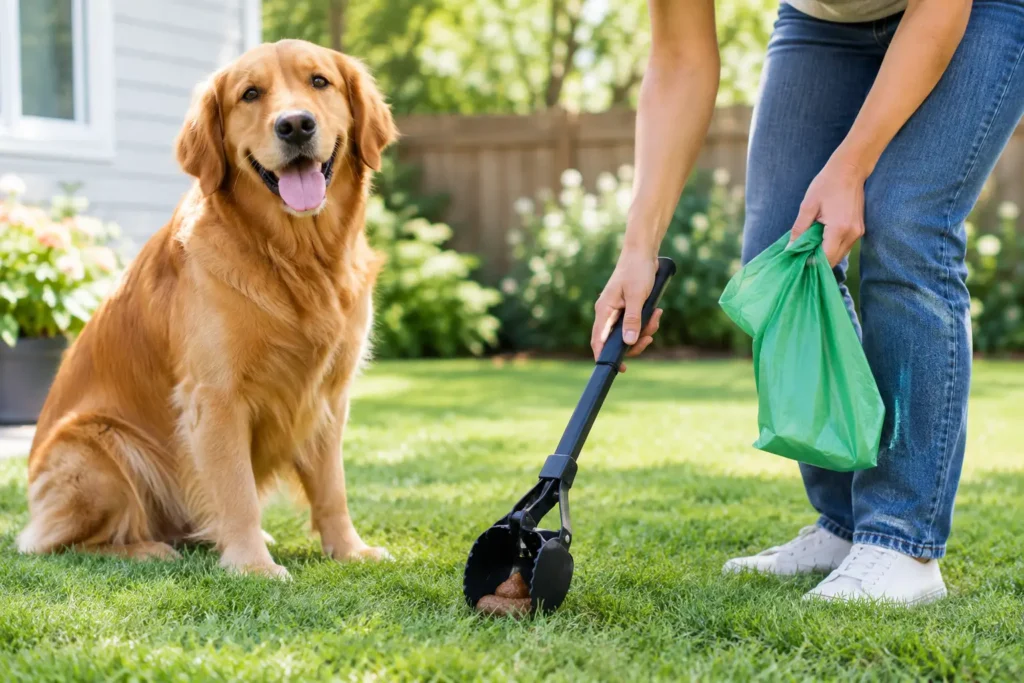
Walk the entire yard instead of only checking the usual spots. Dogs often change their preferred bathroom area with weather, snow cover, visitors, or changes to the landscape. Use a dedicated scoop and a sturdy waste bag, then double-bag the waste before placing it in your household trash receptacle. This helps contain odors and keeps disposal cleaner.
If this is the task that keeps falling to the bottom of the weekend list, recurring pet waste removal can make a real difference. A dependable schedule means the yard stays usable without anyone in the household having to keep track of another unpleasant chore.
Create a Bathroom Area Your Dog Will Use
A designated potty area can reduce the amount of cleanup spread across your property. It is especially useful for families with kids, patios, garden beds, or dogs that track mud into the house.
Choose a spot that is easy to reach, drains well, and sits away from outdoor dining areas, play equipment, vegetable gardens, and water features. Many dogs do well with a section of grass, pea gravel, or another pet-safe surface. The right choice depends on your dog’s size, coat, paws, and bathroom habits. Gravel may be easier to rinse and clean, but some dogs dislike its texture. Grass feels familiar, but it can develop worn, yellow patches if the area is small.
Guide your dog to the same area on leash for a few weeks and reward them when they use it. Consistency matters more than perfection. Even if your dog still goes elsewhere occasionally, concentrating most waste in one zone makes regular sanitation easier.
Rinse Smartly and Protect Your Lawn
Water helps, but it is not a substitute for waste removal. After solid waste has been picked up, rinsing a potty area can dilute urine and reduce odor, particularly during dry weather. A simple garden hose is often enough for grass and hard surfaces.
Avoid blasting contaminated material across the patio, driveway, or into areas where children play. Direct water toward a properly draining part of the yard and away from vegetable gardens, storm drains, wells, and natural waterways. If your yard has poor drainage, use less water and focus on improving the surface rather than repeatedly soaking the same muddy area.
Urine spots are common, especially with female dogs and dogs that repeatedly use the same small patch. Light, regular watering can help dilute concentrated urine before it damages grass. It will not solve every lawn issue, though. Some lawns need a larger potty zone, more rotation between areas, or a tougher grass variety suited to local conditions.
Use Pet-Safe Disinfecting Only Where It Helps
Disinfecting is useful for hard, nonporous surfaces such as concrete patios, kennel floors, deck areas, and outdoor runs. It is not necessary to disinfect the entire lawn, and overusing harsh products can irritate paws, harm plants, and create a new safety issue for curious dogs.
First remove all visible waste and rinse the surface. Then use a pet-safe product according to its label directions, including its required contact time. Let the area dry before allowing pets or children back onto it. Never mix cleaners, and do not assume that a product is dog-safe simply because it smells fresh.
Kennel-grade disinfectant protocols can be a good fit for areas where dogs spend a lot of time, especially after an illness or accident. Still, disinfecting should be targeted. Routine scooping, sensible rinsing, and a dry, well-maintained yard do more for everyday sanitation than spraying chemicals everywhere.
Keep Standing Water and Mud Under Control
Puddles are more than an inconvenience. They can become a breeding ground for mosquitoes, create muddy paws, and encourage dogs to drink water that may contain bacteria or runoff. After rain or snowmelt, take a quick look at where water collects.
Small fixes can have a big payoff. Clear leaves and debris from drainage paths, repair low spots with suitable fill, and keep downspouts directed away from high-traffic dog areas. In heavily used sections near gates or patios, a pet-safe gravel path or ground cover may hold up better than grass alone.
During wet Black Hills springs, it may be worth keeping towels by the door and wiping paws before your dog comes inside. That simple habit reduces the spread of mud, traces of waste, and outdoor germs through the house.
Clean the Things Your Dog Touches
A sanitary yard includes more than the ground. Water bowls, toys, outdoor bedding, and dog houses collect dirt, saliva, pollen, and bacteria over time. Wash water bowls daily with hot, soapy water, refill them with fresh water, and place them where they will not collect runoff or lawn debris.
Pick up outdoor toys regularly rather than leaving them in the yard through rain, snow, and lawn treatments. Wash hard toys when they look dirty, and discard cracked items that cannot be cleaned well. Outdoor bedding should stay dry and be washed according to its care instructions. For dog houses, remove old bedding, sweep out debris, and clean the interior periodically with a pet-safe cleaner.
Adjust Your Routine for Every Season
Sanitation needs change with the weather. In winter, waste can disappear under snow and reappear during a thaw. Continue checking common bathroom areas whenever conditions allow, rather than waiting for spring cleanup. A long-handled scooper can make the job easier when snow is packed down.
Spring calls for a more thorough reset. Clear accumulated waste, inspect drainage, wash hard surfaces, and look for turf damage in high-use areas. This is also a good time to clean outdoor bowls, toys, and dog-run surfaces before warmer weather brings more backyard activity.
In summer, heat makes odors more noticeable and can dry out urine-affected grass. Increase pickup frequency if needed, keep water bowls clean and shaded, and rinse targeted potty areas early or late in the day. In fall, remove leaves from dog areas before they trap moisture and hide waste.
Know When to Be More Cautious
If your dog has diarrhea, worms, giardia, or another suspected contagious illness, step up cleanup right away and contact your veterinarian for guidance. Pick up waste promptly, keep other pets away from affected areas, and clean hard surfaces carefully. Do not take a wait-and-see approach with a shared dog run or a yard used by young children.
Regular veterinary care, parasite prevention, and prompt waste removal work together. No backyard routine can eliminate every germ, but consistent habits greatly reduce unnecessary exposure for your household and visiting pets.
A clean yard should feel easy to use, not like another project waiting for Saturday. Whether you handle the routine yourself or let Black Hills Scoop Squad take care of the scooping, the goal is the same: more time enjoying your dog outside and less time worrying about what is underfoot.