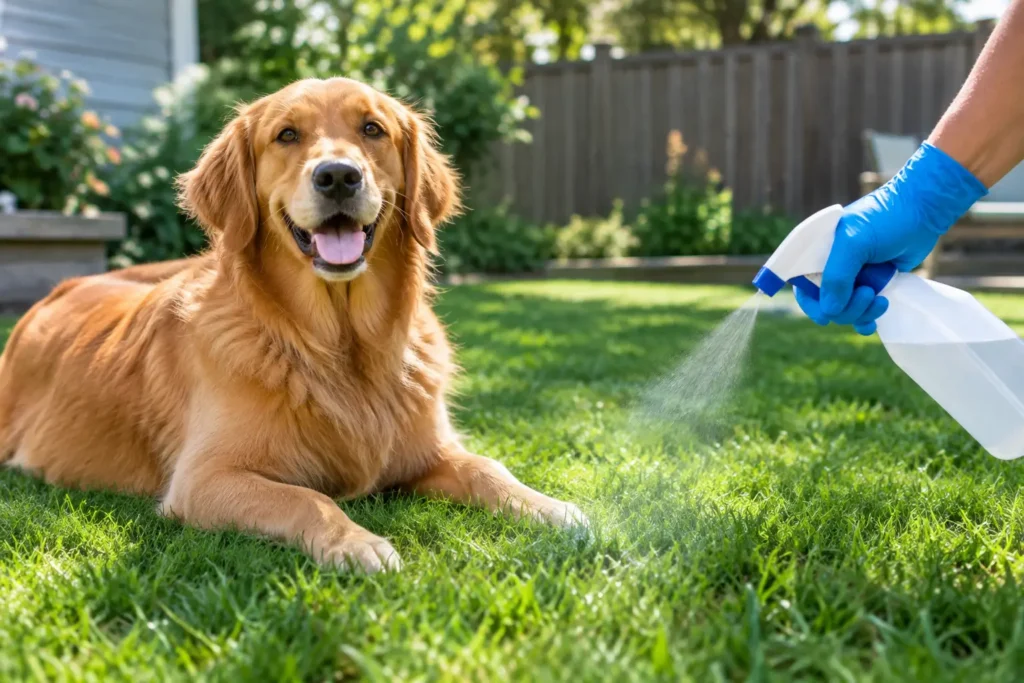
A yard can look clean after the dog poop is picked up and still need a closer look. So, when should yards be disinfected? The short answer is after certain messes, illnesses, parasite concerns, or high-use periods – not necessarily every time your dog goes outside. The goal is to reduce avoidable germs without soaking your lawn in products it does not need.
For dog-owning households in the Black Hills, a practical sanitation routine starts with frequent waste removal. Disinfecting can be a useful extra step when the situation calls for it, especially where dogs and kids spend time on the same grass.
When Should Yards Be Disinfected Most Often?
Disinfecting makes the most sense when there is a clear reason to address contamination. Fresh dog waste should always be removed promptly, but removal and disinfection are two different jobs. Scooping takes away the main source of bacteria and parasites. Disinfecting helps address what may be left behind on hard surfaces, kennel areas, turf, or other high-contact spots.
A full-yard disinfection is not usually necessary after every bowel movement. Grass, soil, sun, rain, and normal outdoor conditions make a lawn very different from a kitchen floor or veterinary clinic. Applying disinfectant too frequently can be hard on plants, may irritate paws, and can create runoff concerns.
Instead, focus on the situations that raise the risk.
After a dog has diarrhea or an accident
Diarrhea is harder to remove completely than firm waste. It can spread into grass blades, soil, concrete seams, patio pavers, kennel flooring, and the bottom of shoes. Pick up as much material as possible first, then clean and disinfect nearby hard surfaces according to the product label.
For grass, avoid assuming a chemical spray will solve everything. Remove waste, rinse the area when appropriate, and keep dogs and children away until the spot is dry. If diarrhea continues for more than a day or two, or your dog seems tired, is vomiting, or will not eat, call your veterinarian. Yard care cannot replace medical care.
After a contagious illness or parasite diagnosis
If your dog has been diagnosed with a contagious condition, ask your veterinarian what cleaning steps are appropriate for that specific illness. Different organisms survive differently outdoors. Some viruses and parasites are more difficult to eliminate from soil and grass than others, while others do not live long outside the body.
Parvovirus is one of the biggest concerns for dog owners because it can persist in an environment for a long time. A veterinarian can help you understand the actual risk, especially if you have puppies, unvaccinated dogs, or frequent visiting dogs. Do not rely on a general-purpose cleaner to handle a serious disease exposure.
Roundworms, hookworms, giardia, and other intestinal parasites are another reason to take cleanup seriously. Prompt removal of feces is often the most meaningful step you can take to limit repeat exposure. Your veterinarian may also recommend treatment, retesting, temporary changes to where your dog relieves itself, or restricting access to a contaminated area.
After bringing home a new puppy or dog
A new dog can bring plenty of excitement, along with an unknown health history. Before a puppy starts exploring every inch of the yard, make sure old pet waste has been removed and high-contact areas are cleaned. This is especially helpful if the previous dog had stomach issues or parasite concerns.
Puppies are more vulnerable because their immune systems are still developing and their vaccine series may not be complete. A clean yard is not a substitute for vaccinations or veterinary guidance, but it gives your new dog a better starting point.
When multiple dogs share a small yard
A large property with one dog has a different sanitation need than a small backyard used by three dogs several times a day. The more dogs using the same potty area, the faster waste and odor build up. Regular scooping is the foundation, and targeted disinfection may help around kennel runs, artificial turf, concrete pads, dog doors, gates, and other concentrated-use areas.
This is also where a professional cleanup schedule can make a noticeable difference. Weekly service may be enough for some homes, while multi-dog households often benefit from more frequent visits. The best schedule is the one that keeps waste from sitting long enough to become a bigger sanitation and odor problem.
Focus on High-Contact Areas, Not Every Blade of Grass
When homeowners ask when yards should be disinfected, they often picture spraying the entire lawn. In most cases, that is not the safest or most practical approach. Start with the areas where contamination is most likely to spread: patios, decks, walkways, kennel floors, turf, dog runs, outdoor crates, gate latches, water bowls, and the route from the backyard to the house.
Hard, nonporous surfaces are easier to clean effectively because you can first remove visible debris, wash the surface, and then apply a pet-appropriate disinfectant for the contact time listed on the label. Contact time matters. Spraying a product and immediately rinsing it away may not give it enough time to work.
Natural grass and soil are more complicated. Disinfectants may not penetrate evenly, and overly strong products can damage the lawn or expose pets to residue. For ordinary messes, diligent poop removal, occasional rinsing, sunlight, and allowing an area to dry are often more sensible than broad chemical treatment.
Choose Products With Pets and Lawns in Mind
Never use a disinfectant just because it is strong. Bleach, concentrated cleaners, and products not labeled for outdoor pet areas can damage surfaces, harm grass, or irritate paws, skin, eyes, and airways. Mixing cleaning products is also dangerous.
Choose a product specifically labeled for the surface you are treating and follow every direction for dilution, application, contact time, and rinsing. Keep dogs, children, and other pets off the area while you work. Do not allow access again until the surface is fully dry or the label says it is safe.
Pay close attention to drainage. A product that washes into a storm drain, garden bed, creek, or water feature can cause problems beyond your property. If you are treating a large area or dealing with a known disease exposure, it is reasonable to ask your veterinarian or a qualified cleaning professional for guidance first.
A Simple Sanitation Routine for Most Dog Yards
Most families do not need to disinfect constantly. They need a routine that prevents waste from building up and gives them a plan when a higher-risk situation happens.
Start by removing dog waste consistently. Daily pickup is ideal for households that can manage it, and recurring professional cleanup keeps the job from piling up when life gets busy. Keep water bowls, feeding areas, and hard-surface potty zones clean. Rinse mud and waste residue from paws before dogs come inside, particularly during wet South Dakota weather.
Then reserve disinfecting for diarrhea, a diagnosed illness, parasite concerns, a new puppy, or heavily used hard-surface areas. This targeted approach is easier on your lawn and gives you better peace of mind than randomly spraying the whole yard.
Don’t Forget the Tools, Gates, and Shoes
The yard is only part of the sanitation picture. Pooper scoopers, rakes, waste-bin lids, kennel latches, and the soles of shoes can all carry residue from one area to another. Wash reusable tools after use, keep waste bags securely closed, and clean the handle or lid of any container touched during pickup.
At Black Hills Scoop Squad, careful waste removal and kennel-grade disinfectant protocols are part of providing a cleaner, more comfortable outdoor space. Just as important, a closed-gate photo and service notification help homeowners know the yard has been cared for without needing to check behind the service.
A clean dog yard is not about making every outdoor surface sterile. It is about staying ahead of waste, responding quickly when a health concern appears, and giving your family and dogs a yard they can enjoy with fewer worries.