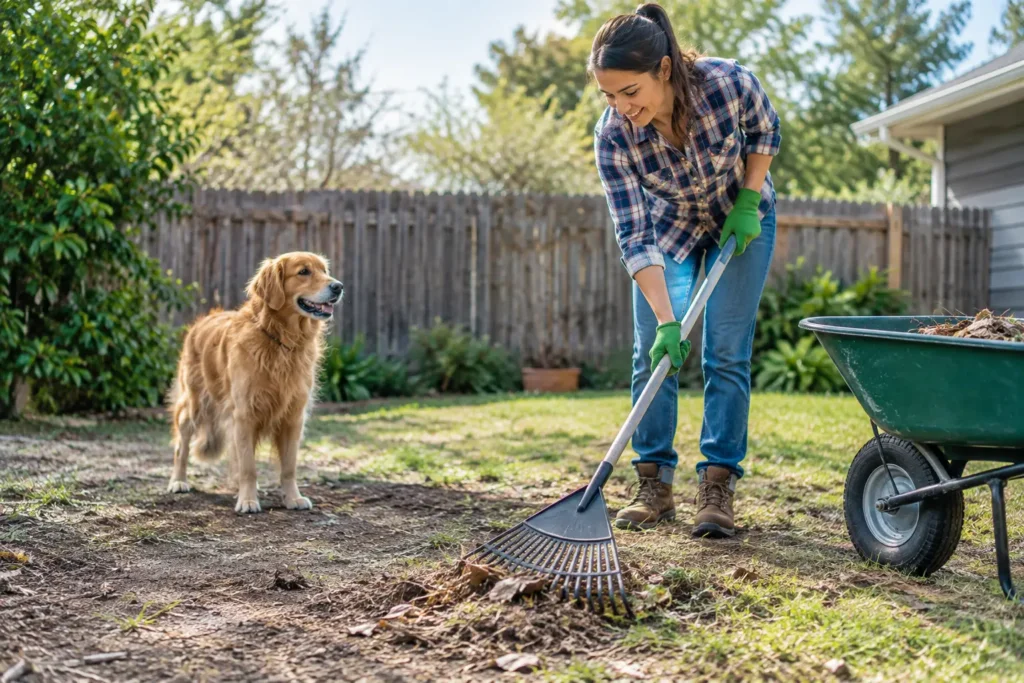
A yard can get away from even the most attentive dog owner. A busy season at work, a long South Dakota winter, an injury, or simply too many dogs using the same space can turn a place for fetch into an area everyone avoids. Knowing how to restart a neglected dog yard gives you a practical way to make it clean, safer, and comfortable to use again without feeling overwhelmed.
The key is not trying to make the yard perfect in one afternoon. Start with sanitation, address the areas your dog uses most, and set up a routine that keeps the problem from returning.
How to restart a neglected dog yard, step by step
Before you bring out rakes, seed, or odor products, deal with the waste safely. Old pet waste is more than an unpleasant sight. It can carry parasites and bacteria, attract flies, create persistent odor, and leave your dog tracking contamination back into the house.
Choose a dry day if possible. Waste is easier to spot and remove when the grass is not soaked, mud is not sticking to your shoes, and snow has melted enough to expose the ground. Wear disposable gloves and closed-toe shoes. If the cleanup has been delayed for a while, consider eye protection and a face covering when conditions are dusty or windy.
Walk the property slowly in sections instead of scanning the whole yard at once. Start near the house, then work outward through the usual potty areas, along fences, behind sheds, and around landscaping. Dogs often choose the same sheltered spots repeatedly, so those areas deserve extra attention.
Pick up all visible waste before mowing, raking aggressively, or applying any lawn treatment. Mowing first can break apart old waste and spread it across the grass, making cleanup and sanitation harder. Double-bag the waste and place it in your household trash receptacle according to local disposal rules. Wash your hands thoroughly when you finish, even if you wore gloves.
If the job feels too large, a one-time cleanup is a sensible reset. Black Hills Scoop Squad can remove the buildup so homeowners can start fresh, then recurring service can keep the yard from reaching that point again.
Inspect the yard before treating the lawn
Once waste is gone, take a careful look at what the yard actually needs. A neglected dog yard may have more going on than brown grass. Check for holes, broken fencing, sharp debris, exposed roots, standing water, damaged sprinkler heads, and worn paths where your dog runs the same route every day.
Pay attention to drainage. Standing water and pet waste are a poor combination because moisture holds odor and creates a muddy, uncomfortable surface. If puddles collect in one spot after rain or snowmelt, you may need to fill a low area, adjust grading, or create a more durable potty zone there rather than repeatedly reseeding grass that cannot thrive.
Also inspect your fence latches and gates. A cleanup day is a good time to notice a loose panel or a gap under a fence that could become an escape route. Keeping dogs contained while lawn repairs are underway is just as important as restoring the yard itself.
Tackle odor at the source
A strong dog-yard smell usually comes from a combination of leftover waste, urine concentration, damp soil, and organic buildup in turf. Fragrance alone may temporarily cover it, but it will not solve the cause.
After waste removal, rinse hard surfaces such as concrete patios, runs, and kennel areas with water. For stubborn odor on pet-safe surfaces, use a kennel-grade disinfectant or enzyme-based product that is labeled for the material and follow the directions exactly. Keep dogs off the treated area until it is dry or until the product label says it is safe.
Avoid using bleach, ammonia, or heavily scented household cleaners in your dog’s outdoor space. Ammonia can be especially irritating around urine odors, and harsh products can harm grass, plants, paws, and nearby waterways. More product is not better. The safest approach is to remove waste consistently, clean durable surfaces appropriately, and improve drainage where odors tend to linger.
For grass areas, a deep watering can help dilute urine salts when done soon after your dog urinates. It will not repair every brown spot, particularly in high-use areas, but it can reduce damage over time. Water deeply enough to reach the soil rather than giving the lawn a light daily sprinkle.
Repair the areas your dog uses most
Not every worn section needs to become a picture-perfect lawn. A family with one small dog may be able to reseed and recover most of the yard. A household with multiple large dogs may get better results by designating a durable potty and play area while protecting the rest of the lawn.
Start by removing dead grass, loose waste remnants, and compacted debris from the damaged zones. Lightly rake the soil to improve seed-to-soil contact. For bare or thin areas, choose grass seed that fits your sun exposure and the Black Hills climate, then follow the seed package instructions for timing and watering. Early fall is often a good time for cool-season lawn repair, though spring can work when temperatures and moisture cooperate.
Keep dogs off newly seeded areas as much as possible. Even a short temporary barrier can make a major difference. Fresh seed needs time to establish, and repeated running or digging can undo the work quickly.
If a section is always muddy or heavily trafficked, consider a practical surface such as pet-safe artificial turf, pea gravel designed for dog areas, or a professionally planned dog run. Each option has trade-offs. Turf needs regular cleaning to control odor, gravel can be uncomfortable for some dogs, and a dog run changes how the yard looks and functions. The right choice depends on your dog’s size, habits, mobility, and how much of the yard your family wants to reserve for grass.
Build a routine that fits real life
The restart only lasts if the maintenance plan is realistic. Daily pickup is ideal for odor and sanitation, especially with multiple dogs, but not every household has the time, mobility, or desire to do it consistently. A routine that gets done is better than an ambitious plan that falls apart after two weeks.
For many homes, a quick check every day or two and a more thorough weekly pass is enough to keep the yard comfortable. Focus on the fence line, favorite potty corners, and the path from the door to the yard. After storms or snowmelt, check again because waste can shift, hide in flattened grass, or emerge as snow recedes.
A recurring pet waste service can take that task off your list altogether. Weekly service is often best for households with several dogs or young children using the yard. Twice-monthly or monthly service may fit lower-use yards, although more frequent cleanup generally means less odor, fewer flies, and an easier lawn recovery.
It also helps to keep a small cleanup station near the door with bags, gloves, and a scoop. When supplies are convenient, it is easier to handle a missed spot right away rather than letting it become next weekend’s project.
Protect your dog during the reset
While you work, keep your dog inside or in a clean, secure area away from tools, products, and freshly treated surfaces. Check paws after outdoor time if the yard has mud, damaged fencing, burrs, or rough ground. Dogs with sensitive paws, older dogs, and puppies may need a softer or more carefully maintained path through the yard.
If you notice repeated diarrhea, worms, unusual lethargy, or a sudden change in bathroom habits, contact your veterinarian. Yard cleanup supports a healthier environment, but it is not a substitute for veterinary care or regular parasite prevention.
A neglected yard is not a permanent problem or a reason to feel embarrassed. Start with one thorough cleanup, make the space safe for your dog, and choose a maintenance rhythm that works for your household. Soon, opening the back door can feel like an invitation to enjoy your yard again instead of another chore waiting to be handled.