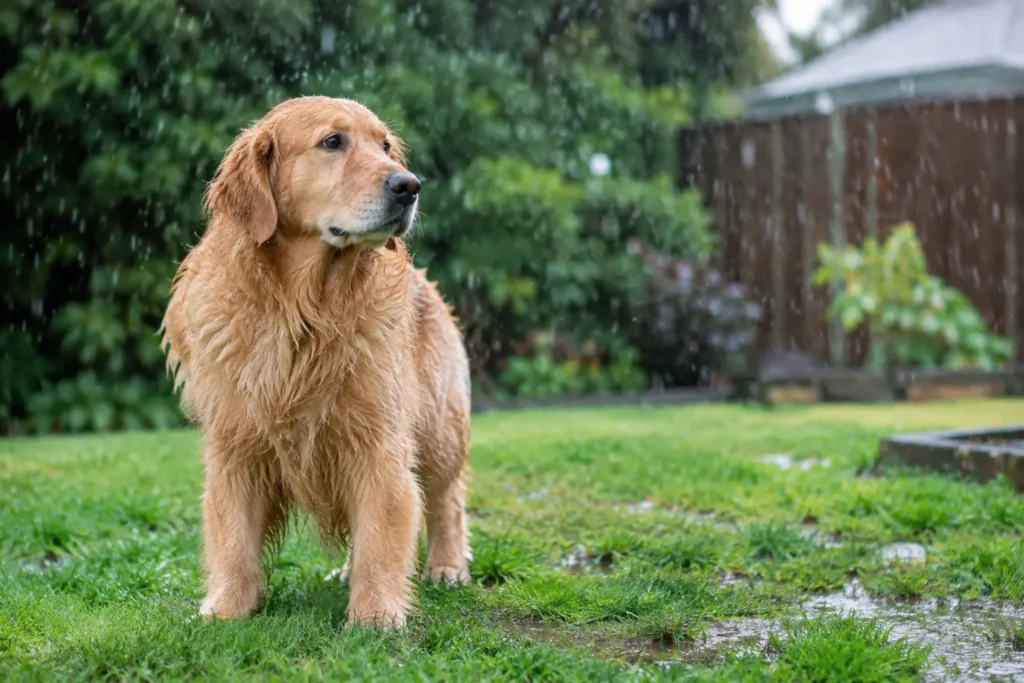
A hard rain can turn a missed pile of dog waste into more than an unpleasant yard chore. So, can rain spread dog parasites? It can help move parasite-contaminated fecal material through a yard, into low spots and puddles, and onto areas where dogs and people walk. Rain does not create parasites, but wet conditions can make an existing contamination problem easier to spread around.
For Black Hills households, this matters during spring thaw, summer storms, and any stretch of damp weather when dogs still need to use the yard. Consistent cleanup is one of the simplest ways to reduce what rain has a chance to carry.
How Rain Can Spread Dog Parasites
Dog waste may contain eggs, larvae, or microscopic organisms from parasites. Whether those organisms are present depends on the dog, its health, and its parasite prevention routine. A clean-looking yard can still have risk if waste has been left behind long enough for rain, moisture, foot traffic, and runoff to move contamination beyond the original pile.
Rainwater follows the easiest path. On a sloped lawn, it may carry small pieces of softened waste downhill. In a yard with poor drainage, it can collect contamination in puddles, near fence lines, around downspouts, or in worn patches where dogs tend to run and play. Muddy paws can then track that material onto patios, decks, sidewalks, and into the house.
The concern is not that every rainy day makes a yard dangerous. The concern is repeated exposure when waste sits outside. The more piles left in place, the more material rain can break apart and distribute.
Moisture can support certain parasites
Different parasites behave differently outdoors. Roundworm eggs can be tough and may remain in soil for a long time under the right conditions. Hookworm larvae generally do better in warm, moist soil than in dry, exposed areas. Giardia, a microscopic parasite that can affect dogs, may also be associated with contaminated water or wet environments.
That does not mean a rainy yard automatically contains every one of these parasites. It means moisture is not a substitute for sanitation. A dog can pick up parasites by sniffing, licking, drinking from puddles, walking through contaminated soil, or grooming dirty paws afterward.
Puppies, senior dogs, and dogs with weakened immune systems may be more vulnerable to illness. Young children also deserve extra care because they are more likely to play close to the ground, touch mud, and forget to wash their hands before eating.
Where Wet-Yard Risks Usually Build Up
Most homeowners do not need to treat their entire lawn like a hazard zone after every storm. It helps to pay attention to the places that collect water and receive the most dog traffic.
Start with the usual bathroom areas. If your dog uses the same corner of the yard every day, that spot gets a concentrated amount of waste exposure. Next, look at drainage paths, low areas, standing-water zones, mulch beds, and spaces beneath decks where moisture lingers. Shared outdoor spaces and dog runs deserve extra attention because multiple dogs may use the same ground.
Snowmelt can create a similar issue in the Black Hills. When winter waste has been hidden under snow, melting can expose old piles all at once and wash material across frozen or saturated ground. That first thaw cleanup is worth taking seriously, especially before kids and pets spend more time outside.
What Actually Helps Protect Your Dog and Family
The most useful approach is straightforward: remove waste before it has time to break down, spread, or wash into the rest of the yard. Regular poop pickup is not just about appearance. It reduces the amount of potentially contaminated material available to move when the weather turns wet.
A few practical habits make a meaningful difference:
- Pick up dog waste on a consistent schedule, with more attention after storms, snowmelt, or long stretches of wet weather.
- Keep dogs from drinking standing water in the yard, along curbs, or on walking routes when possible.
- Wipe muddy paws before your dog comes inside, especially if they have been playing in a heavily used part of the lawn.
- Wash hands after handling waste, gardening, or helping children outside.
- Ask your veterinarian about fecal testing, deworming, and year-round parasite prevention that fits your dog’s age, lifestyle, and health needs.
If a dog has diarrhea, visible worms, unexplained weight loss, vomiting, or a sudden change in energy, contact a veterinarian. Those signs can have many causes, and only a veterinary professional can diagnose and recommend treatment. Until you have answers, prompt cleanup becomes even more important to limit exposure for other pets.
Can Rain Spread Dog Parasites Beyond Your Property?
Rain can move contaminated waste beyond the spot where it was dropped, but how far it travels depends on the property. A flat, well-drained yard may keep runoff fairly contained. A steep lawn, open drainage channel, shared alley, or curbside puddle may allow material to travel farther.
This is one reason it is best not to leave waste near storm drains, drainage ditches, or the edge of a property. Pet waste is not fertilizer. It can introduce bacteria and parasites into places where other animals, children, and water may be exposed.
The practical goal is not to eliminate every outdoor germ. That is not realistic for any homeowner with pets. The goal is to keep fecal waste from building up and reduce the avoidable risks that come with it.
Why Cleanup Frequency Matters More Than Perfect Weather
Many homeowners wait for a dry, pleasant weekend to tackle the yard. That can work for appearance, but it leaves more time for waste to be stepped on, softened by rain, hidden by grass, or carried into drainage areas.
Weekly service is often a good fit for homes with one or two dogs and average yard use. Families with several dogs, active kids, or a smaller yard may prefer more frequent pickup. The right schedule depends on how quickly waste accumulates, where dogs use the yard, and how much peace of mind you want between visits.
At Black Hills Scoop Squad, our technicians remove pet waste, double-bag it, and place it in your trash receptacle. We also use kennel-grade disinfectant protocols between properties to help prevent cross-contamination. It is a hands-off way to keep the yard more usable, including during the messy parts of the year when rain and mud make cleanup easier to put off.
A Cleaner Yard Is Easier to Enjoy
Rainy weather is part of life in the Black Hills, and it should not keep your family from enjoying the backyard. Keep an eye on puddles, clean up waste promptly, maintain your dog’s veterinary prevention plan, and give high-traffic areas a little extra attention after storms.
A consistently scooped yard leaves less for rain to move around – and gives your dog a cleaner place to run, sniff, and come home from.